FOOD ANCHORS
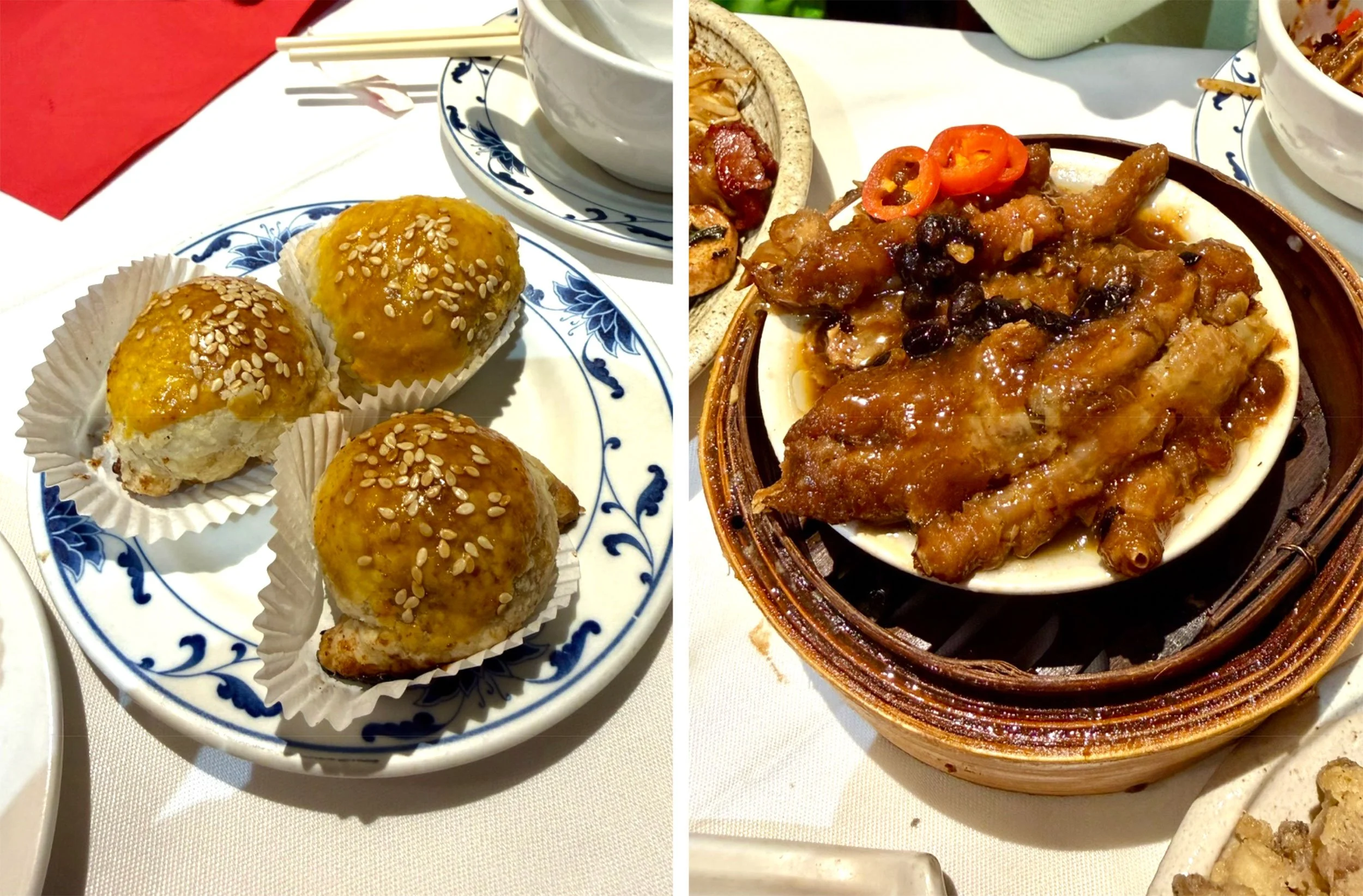
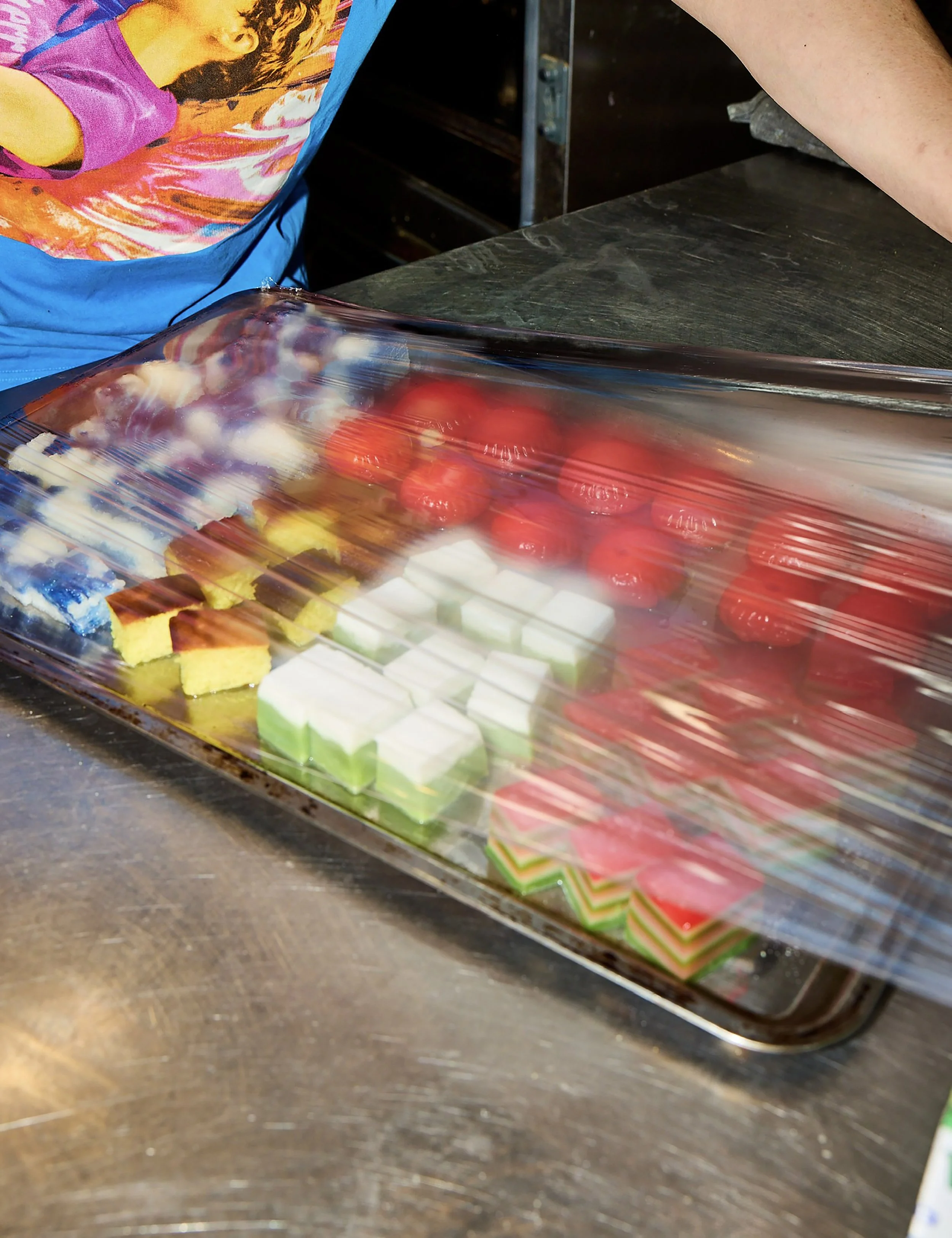
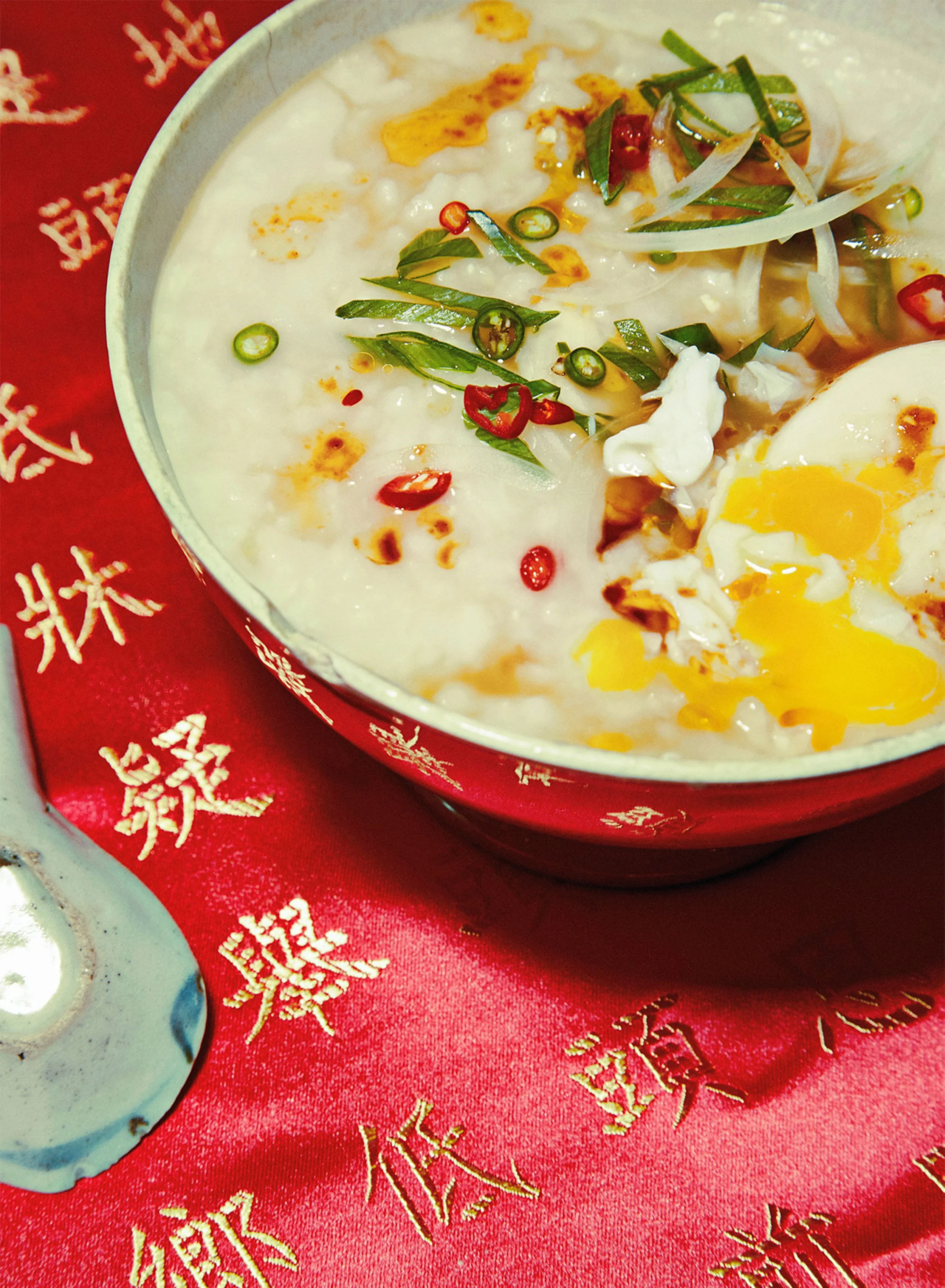
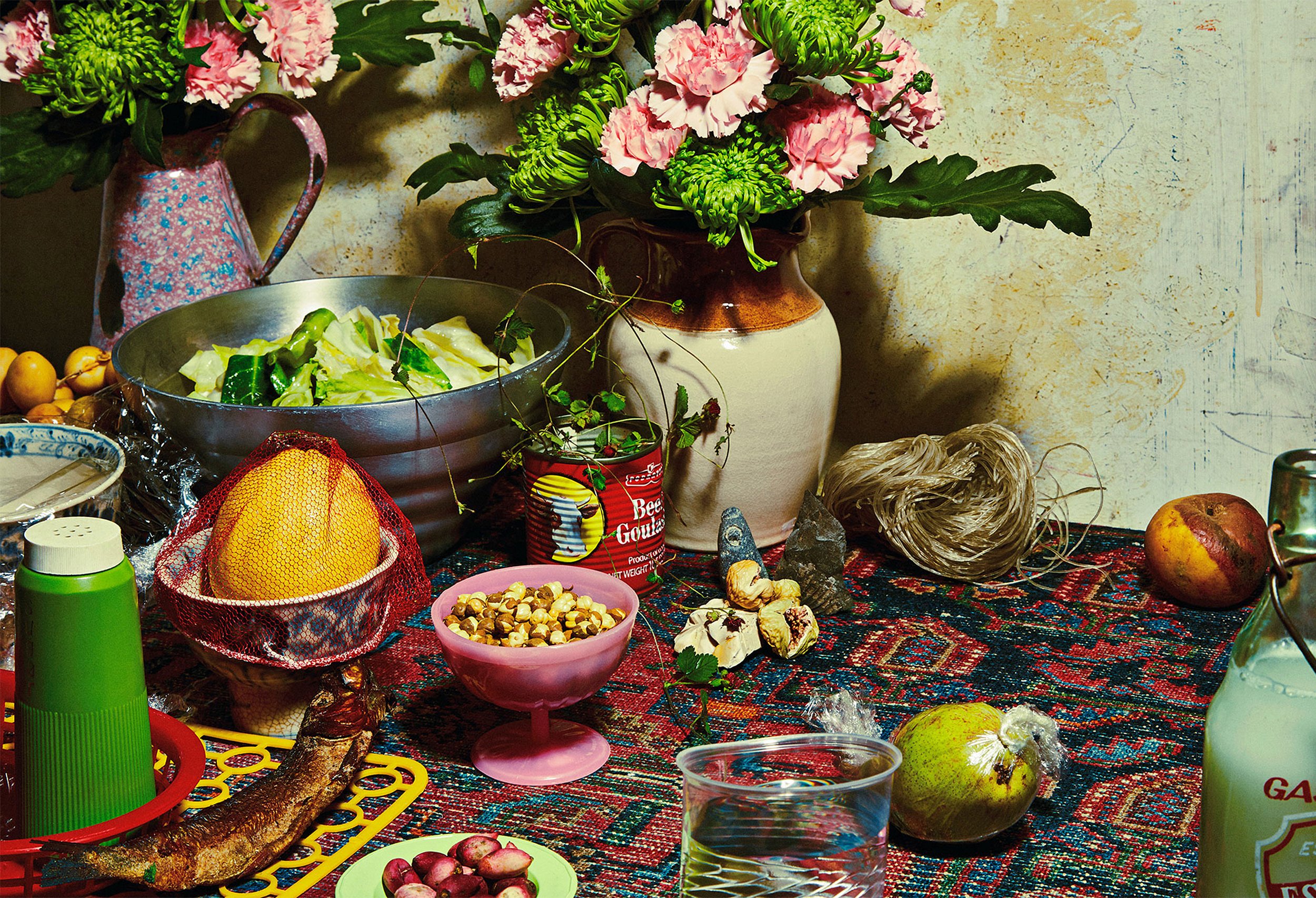
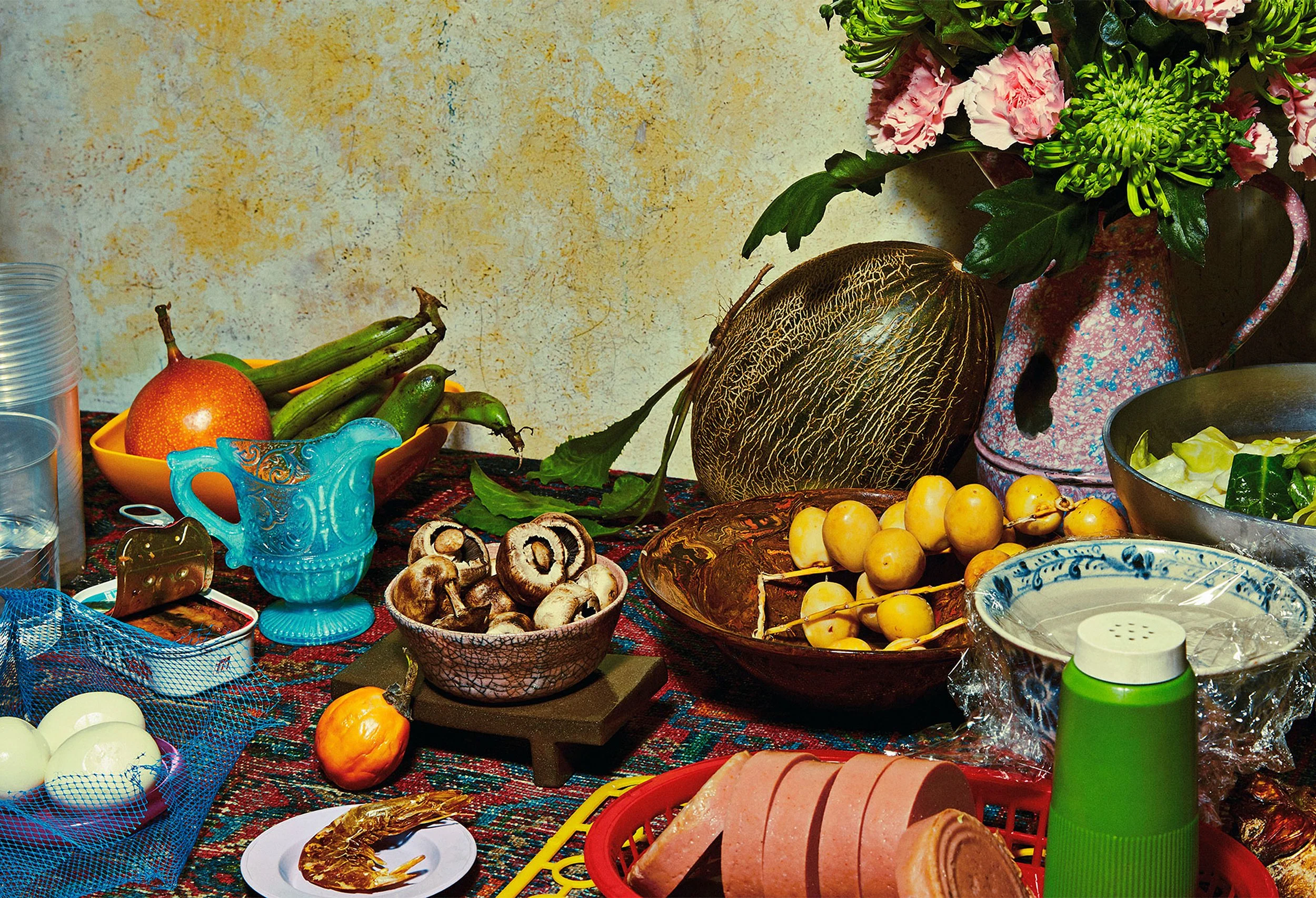
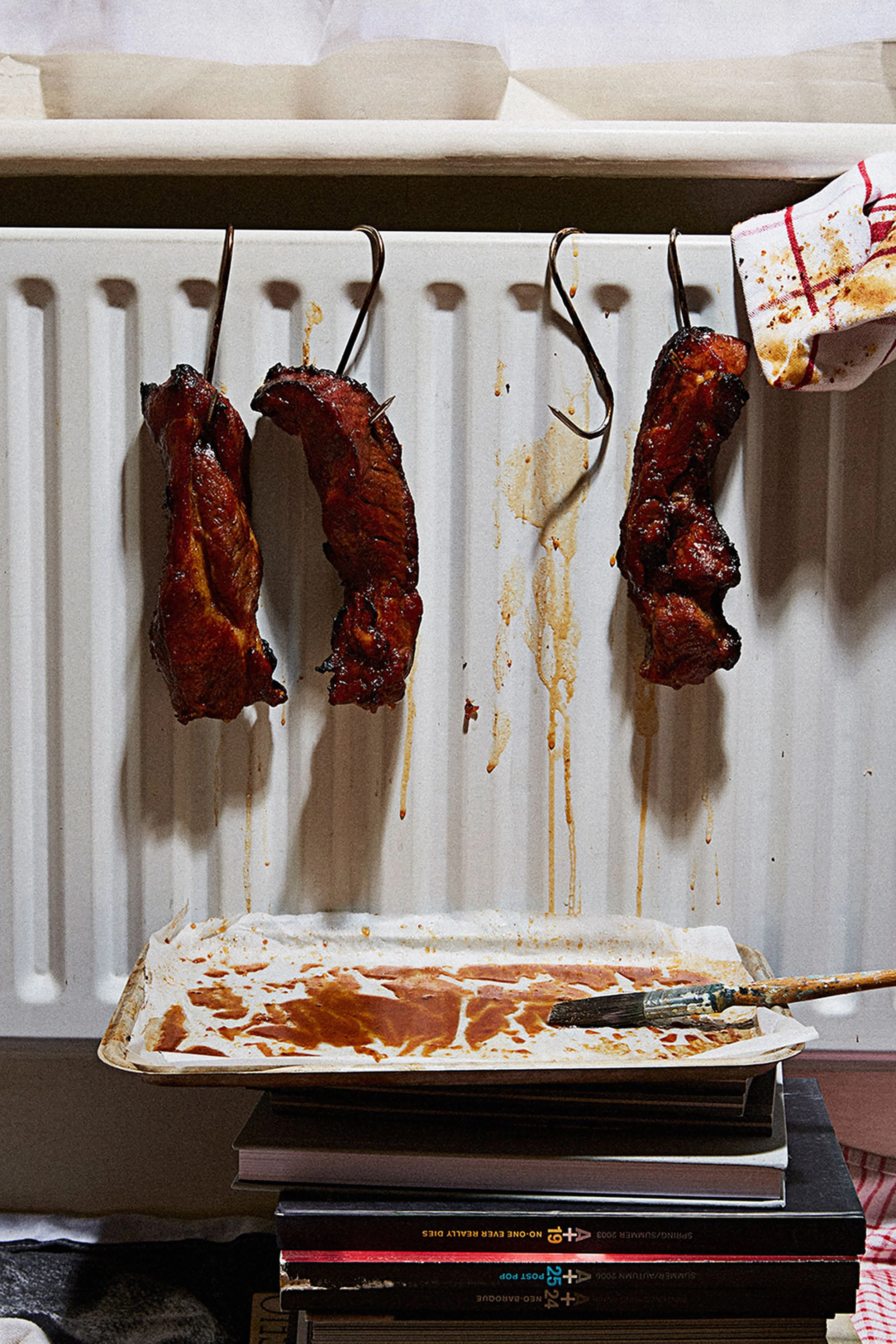
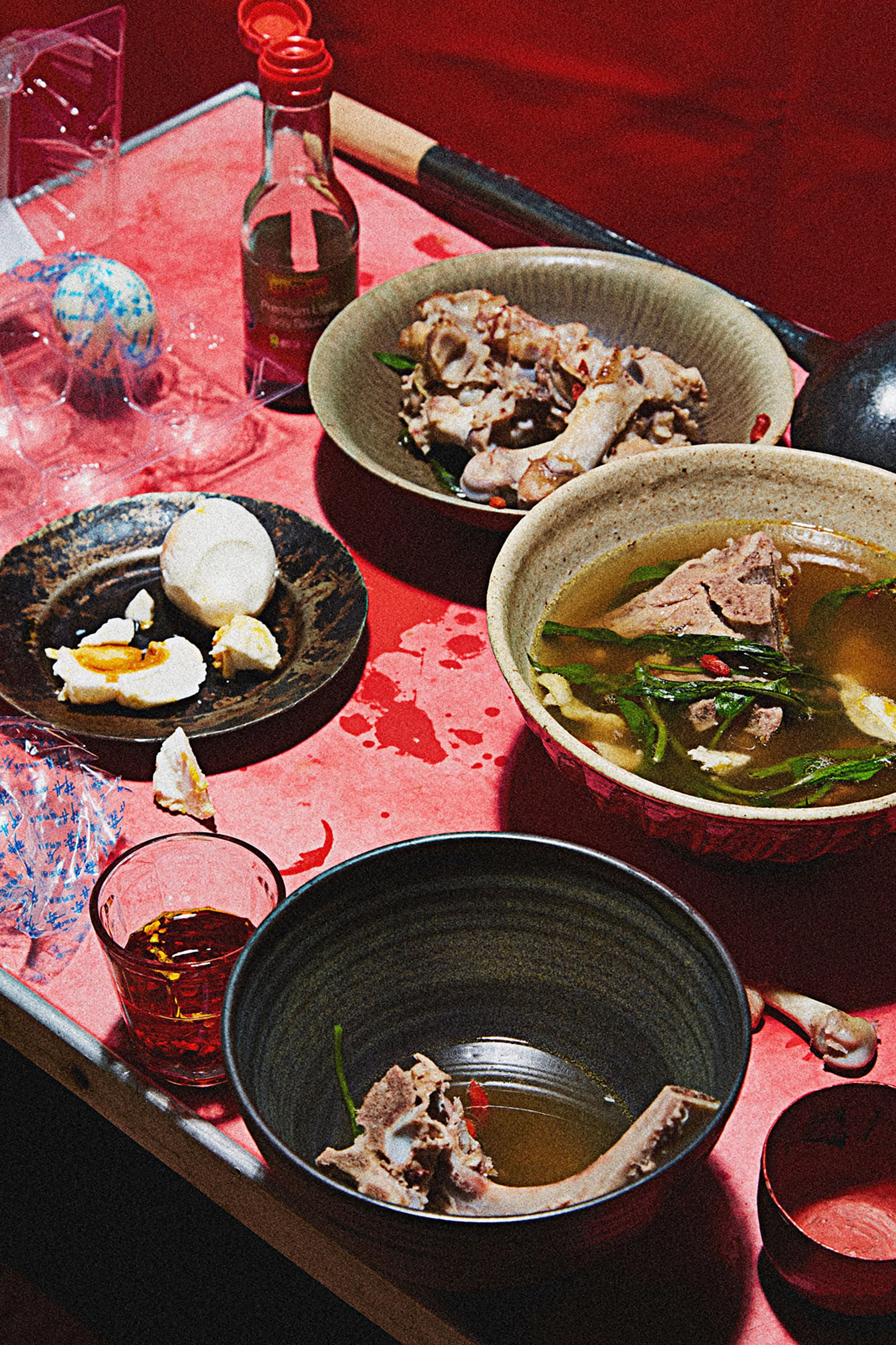
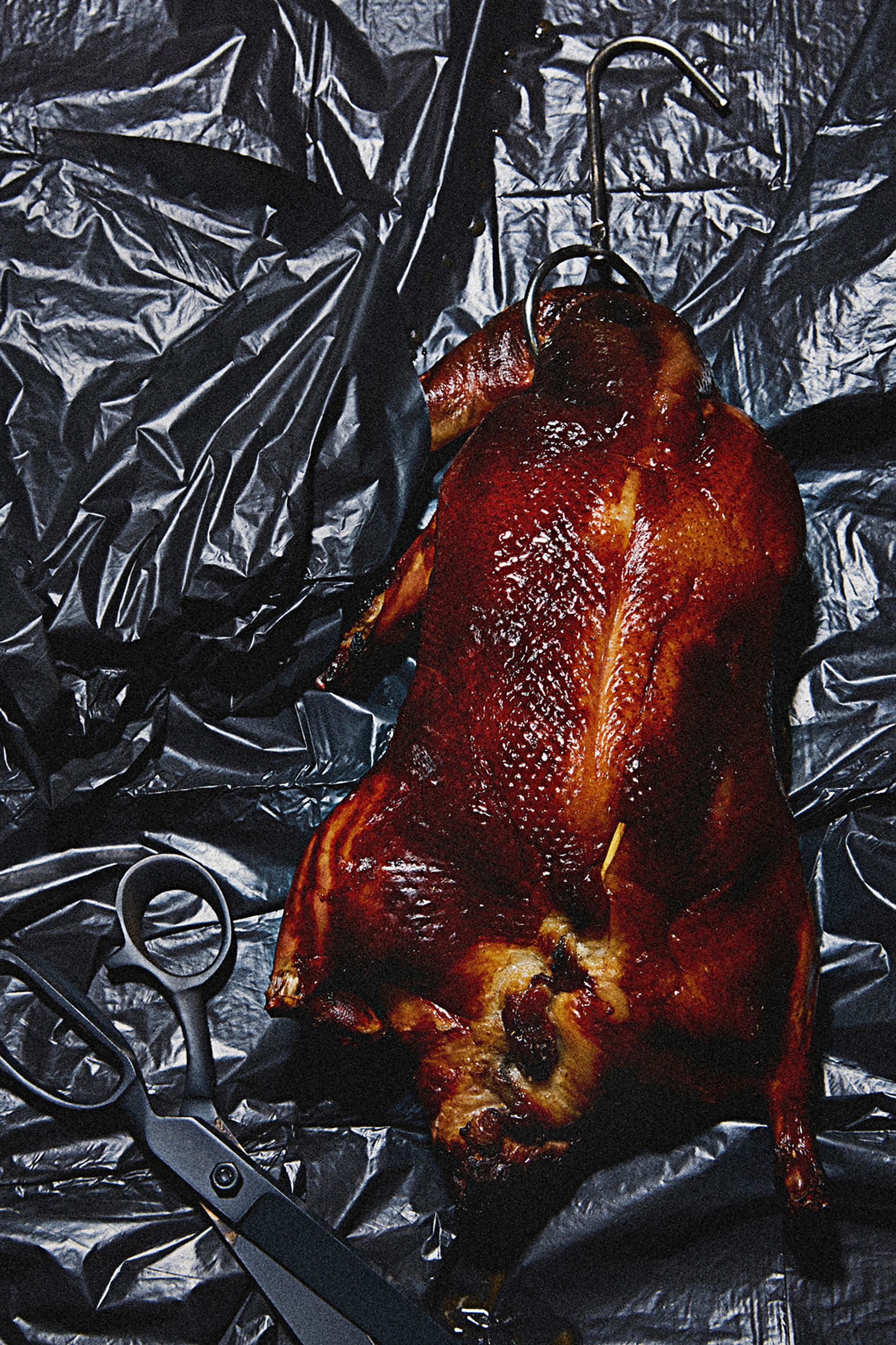
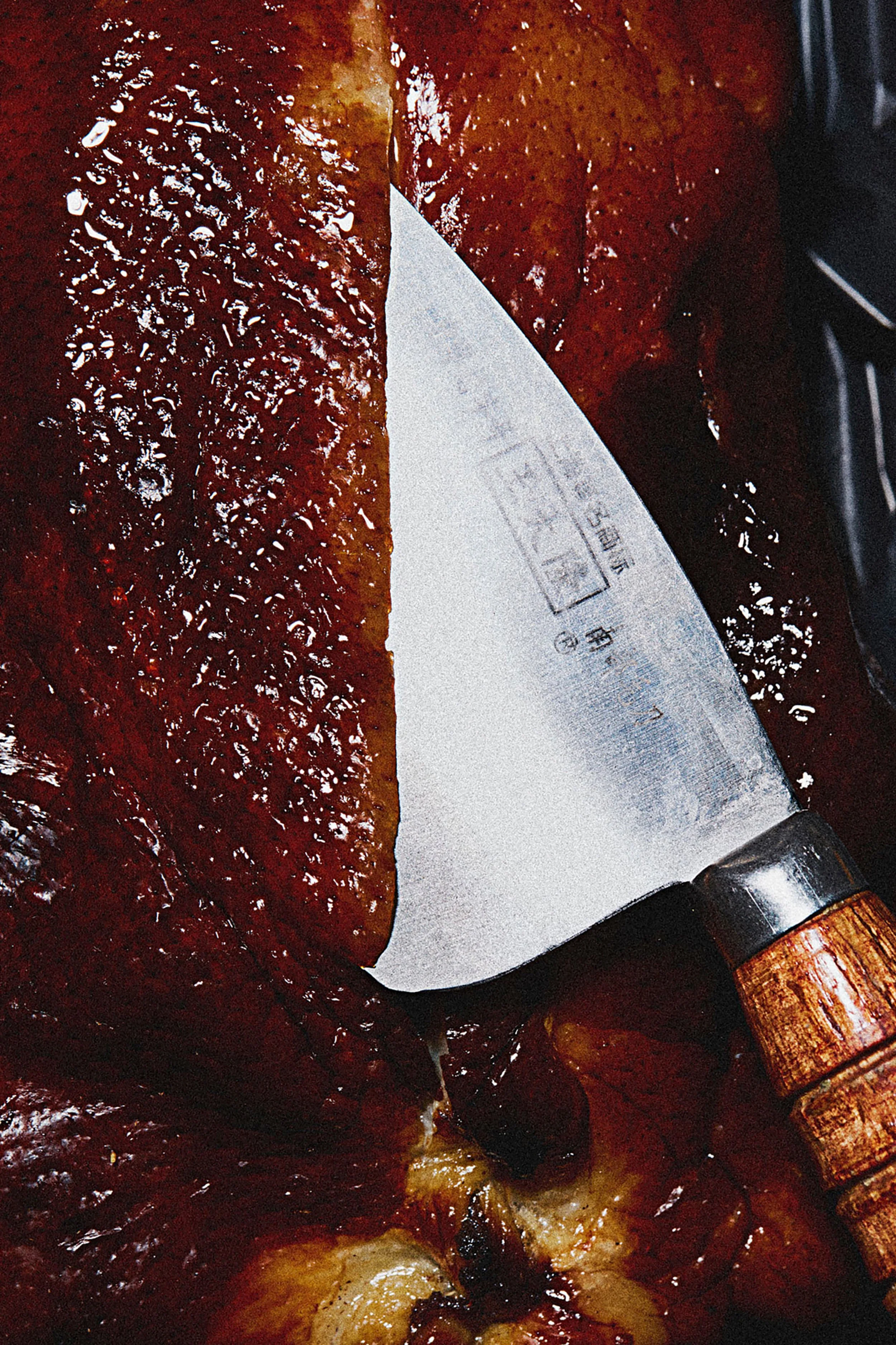
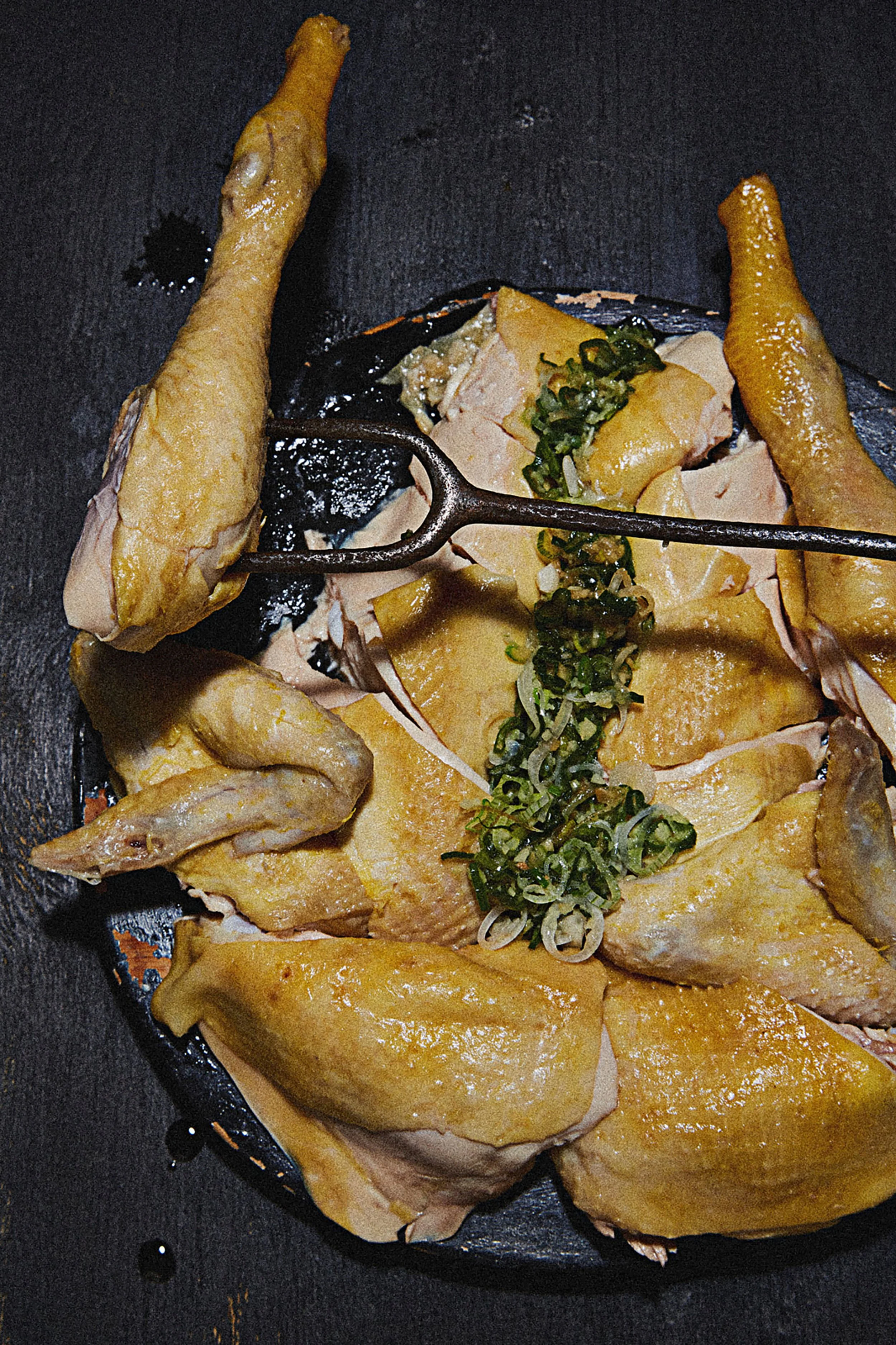
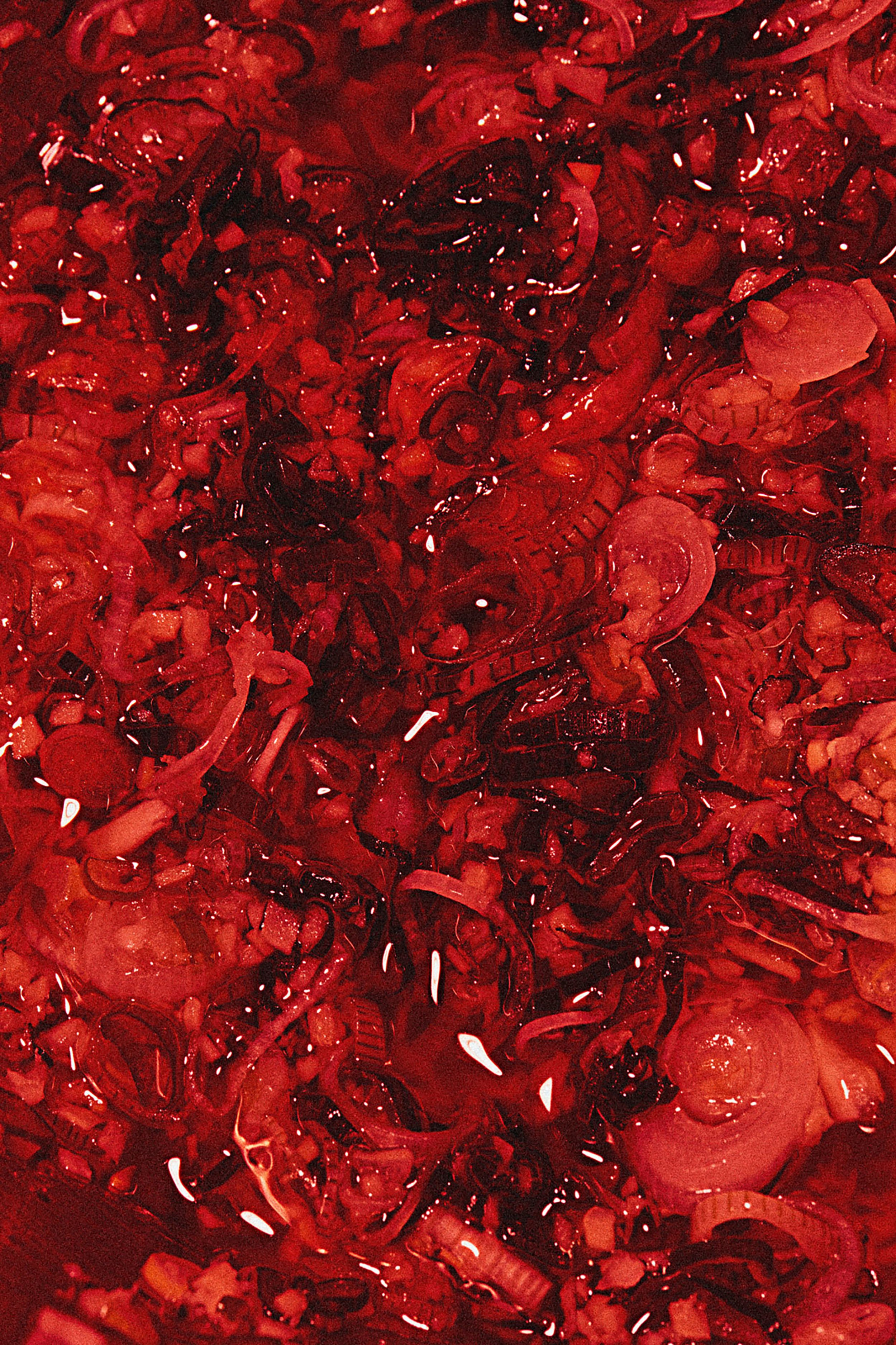
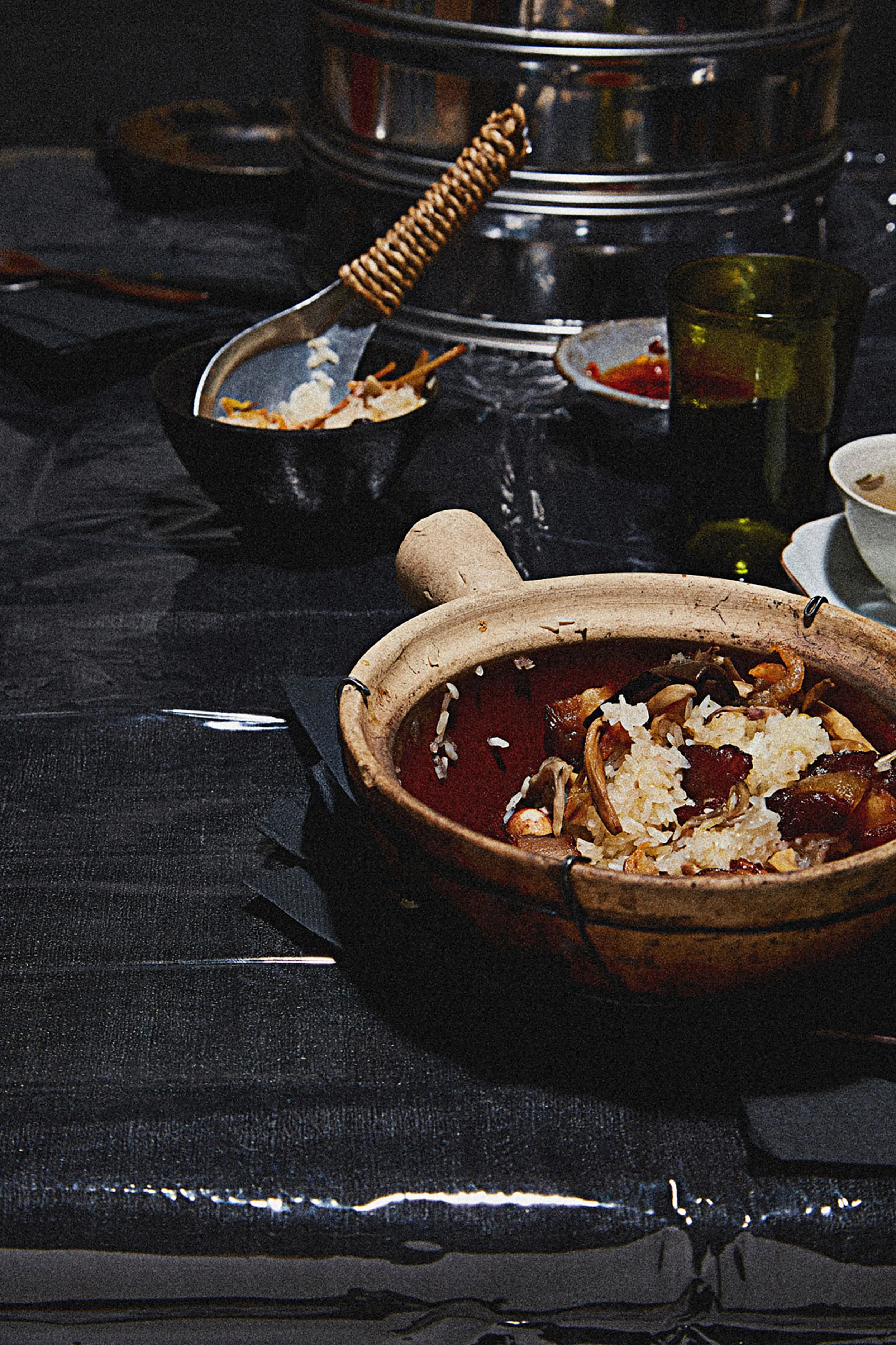
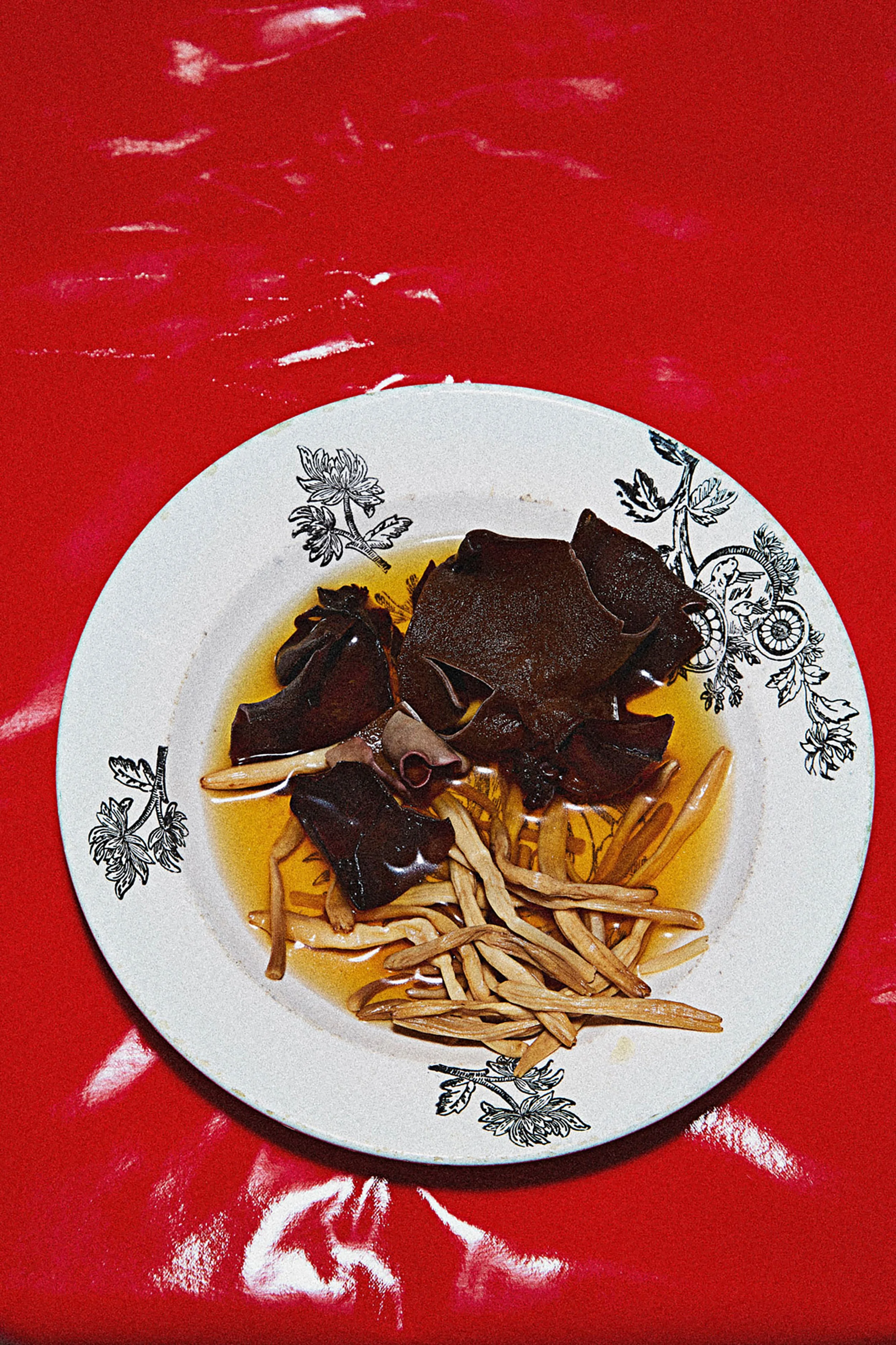
Food is the foundation of my artistic practice—a blueprint for showing care. It’s a principle inherited from my Malaysian-Chinese mother, whose standard greeting is not “how are you?” but “have you eaten?” To me, food is an anchor, a language of comfort, and a space to return to for nourishment and love.
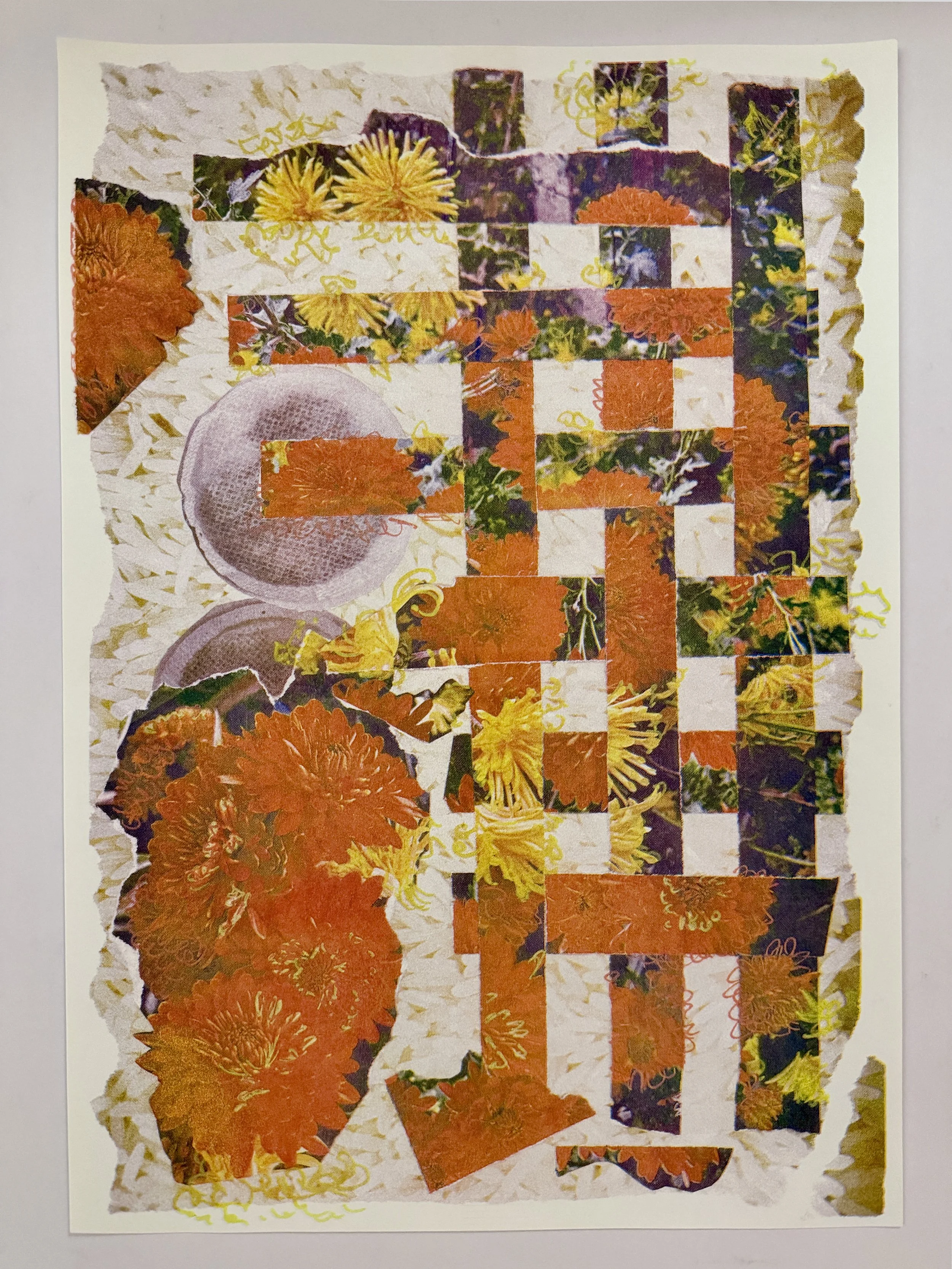
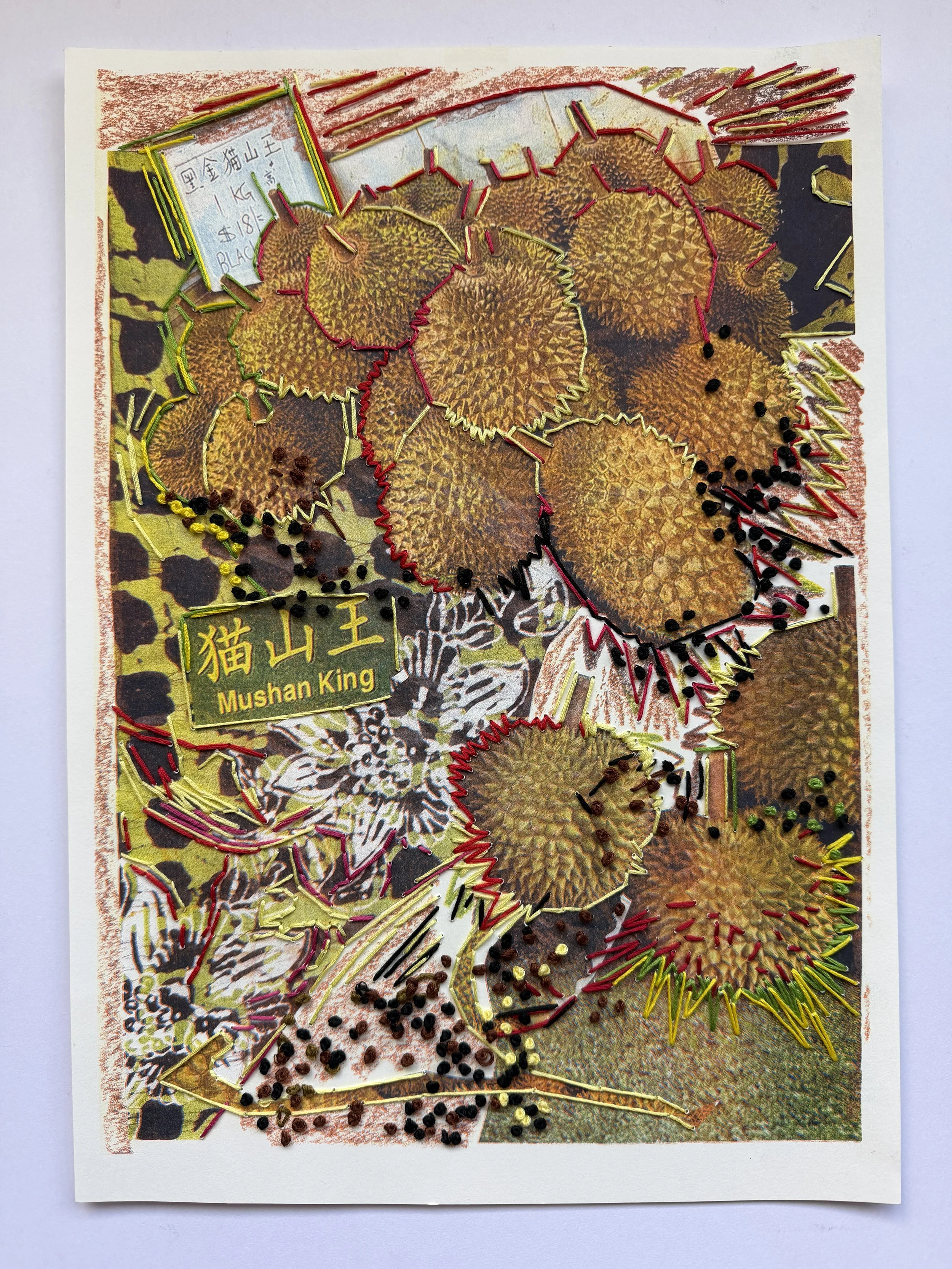
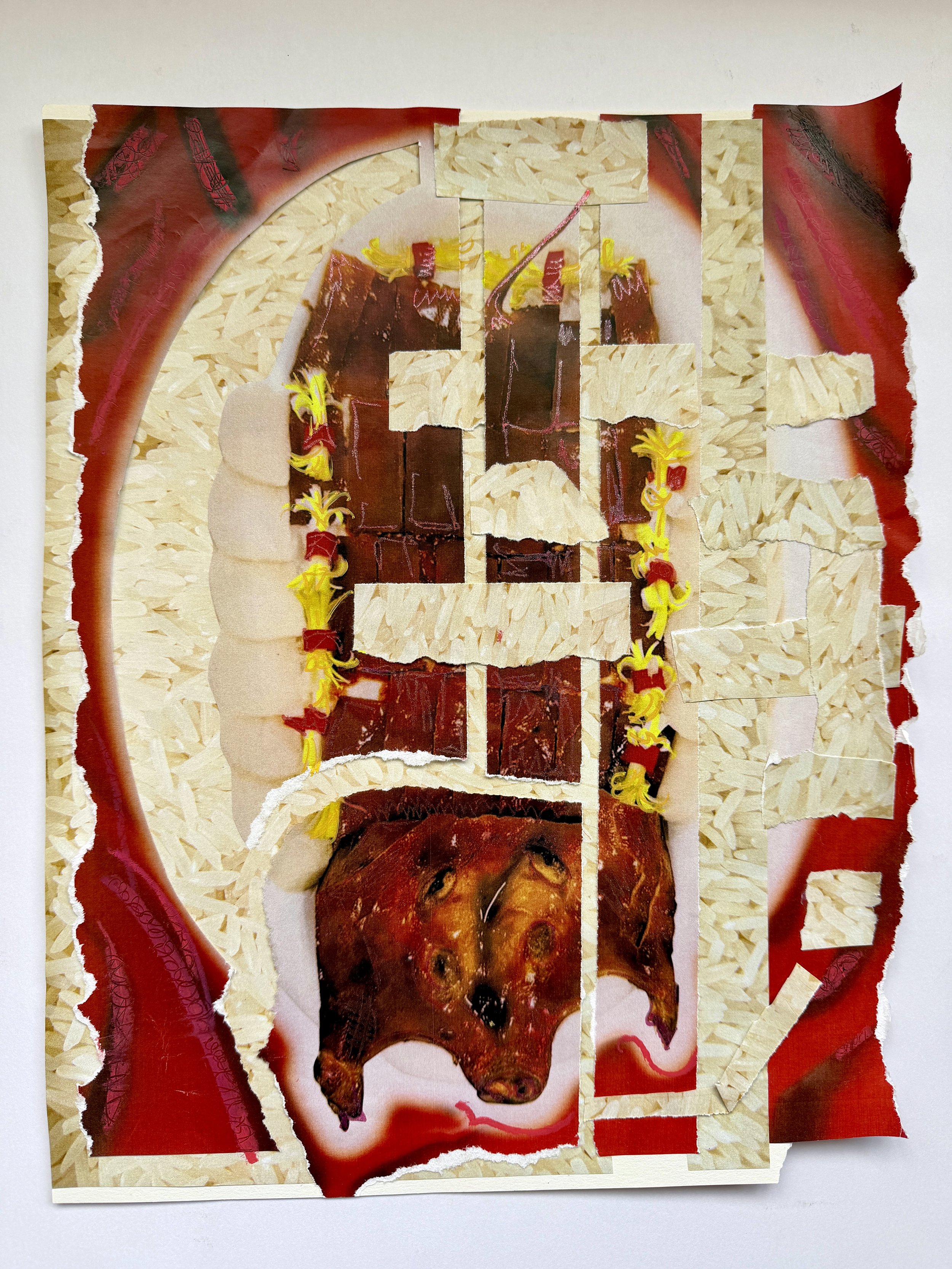
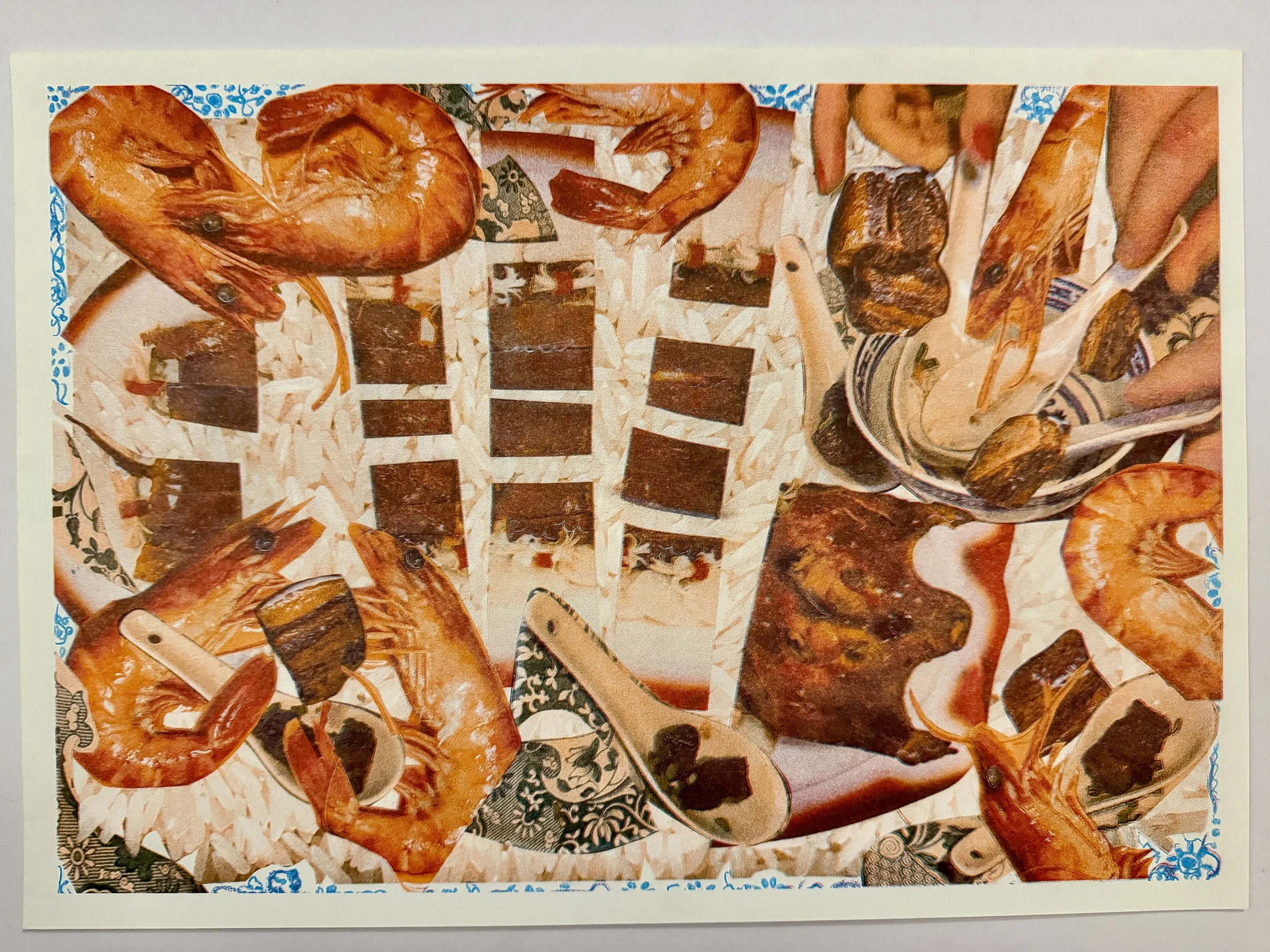
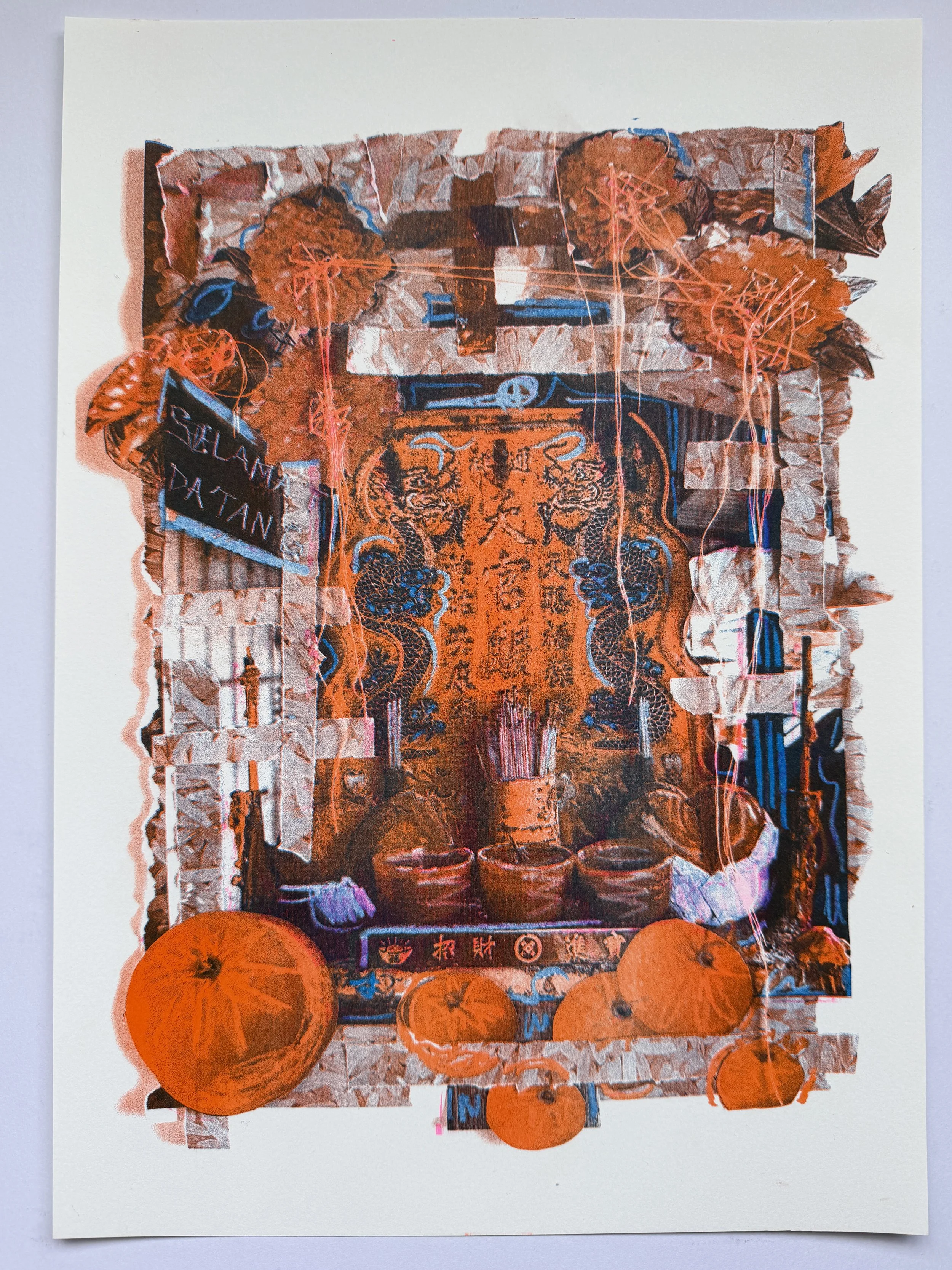
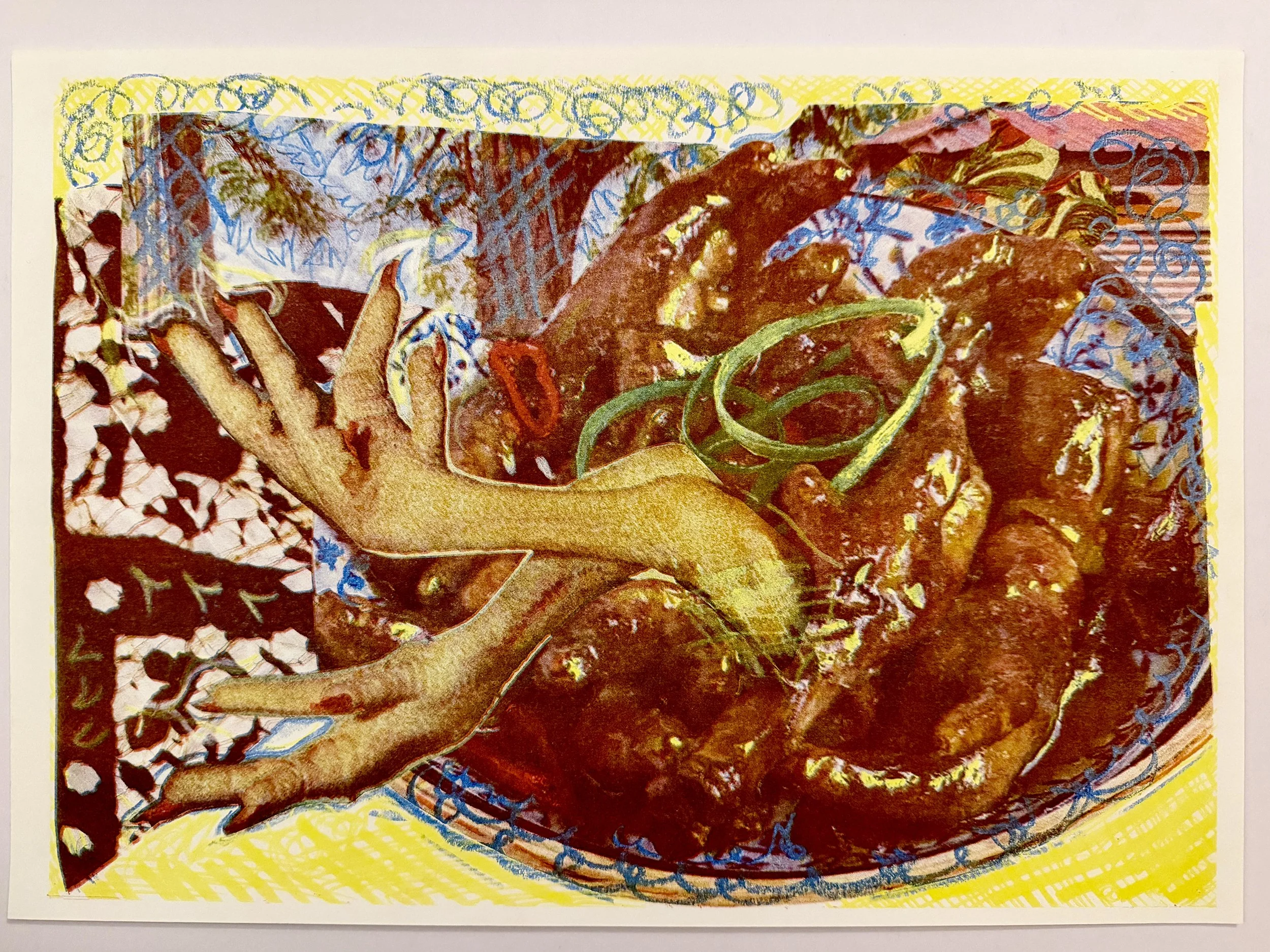
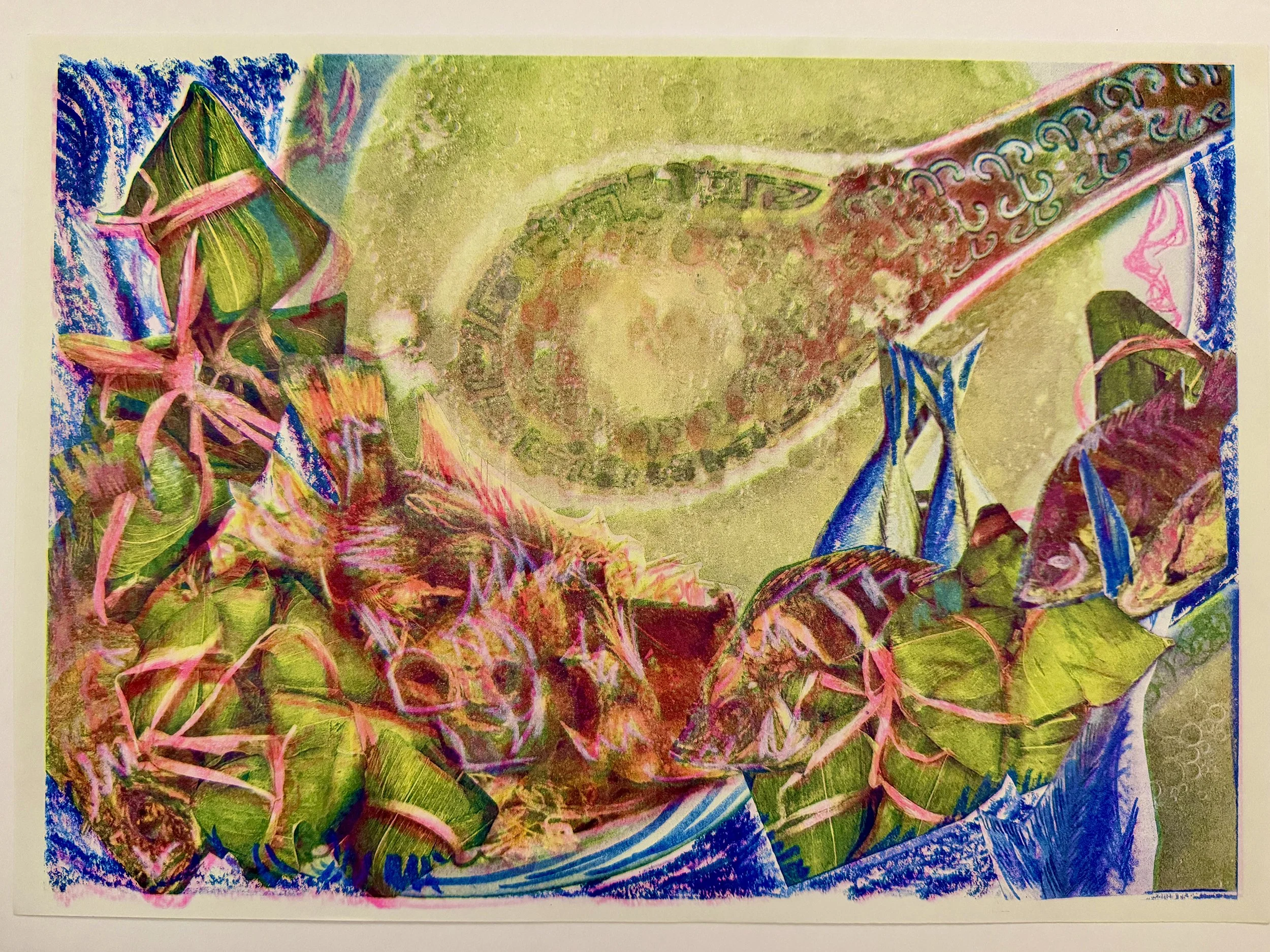
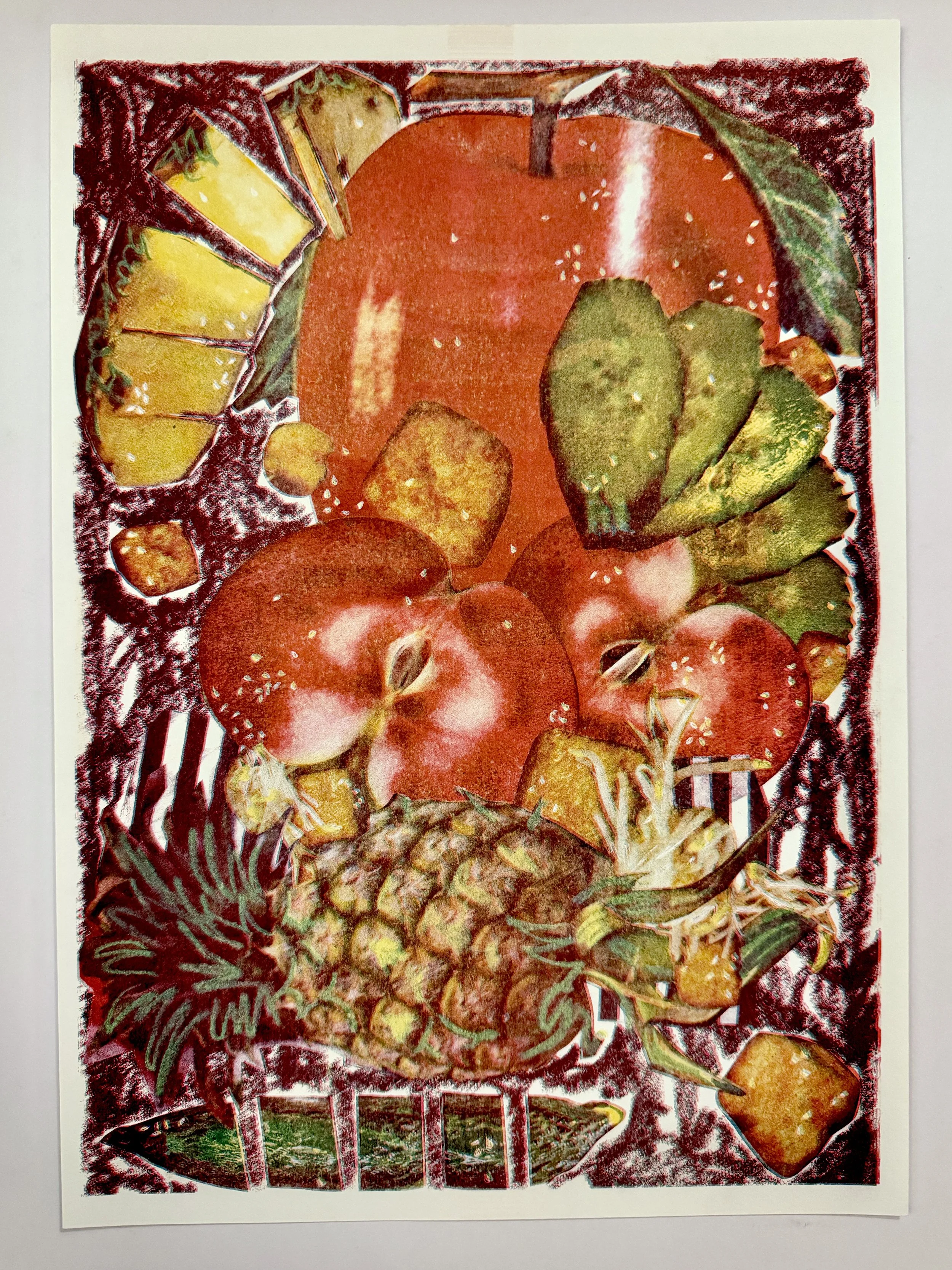
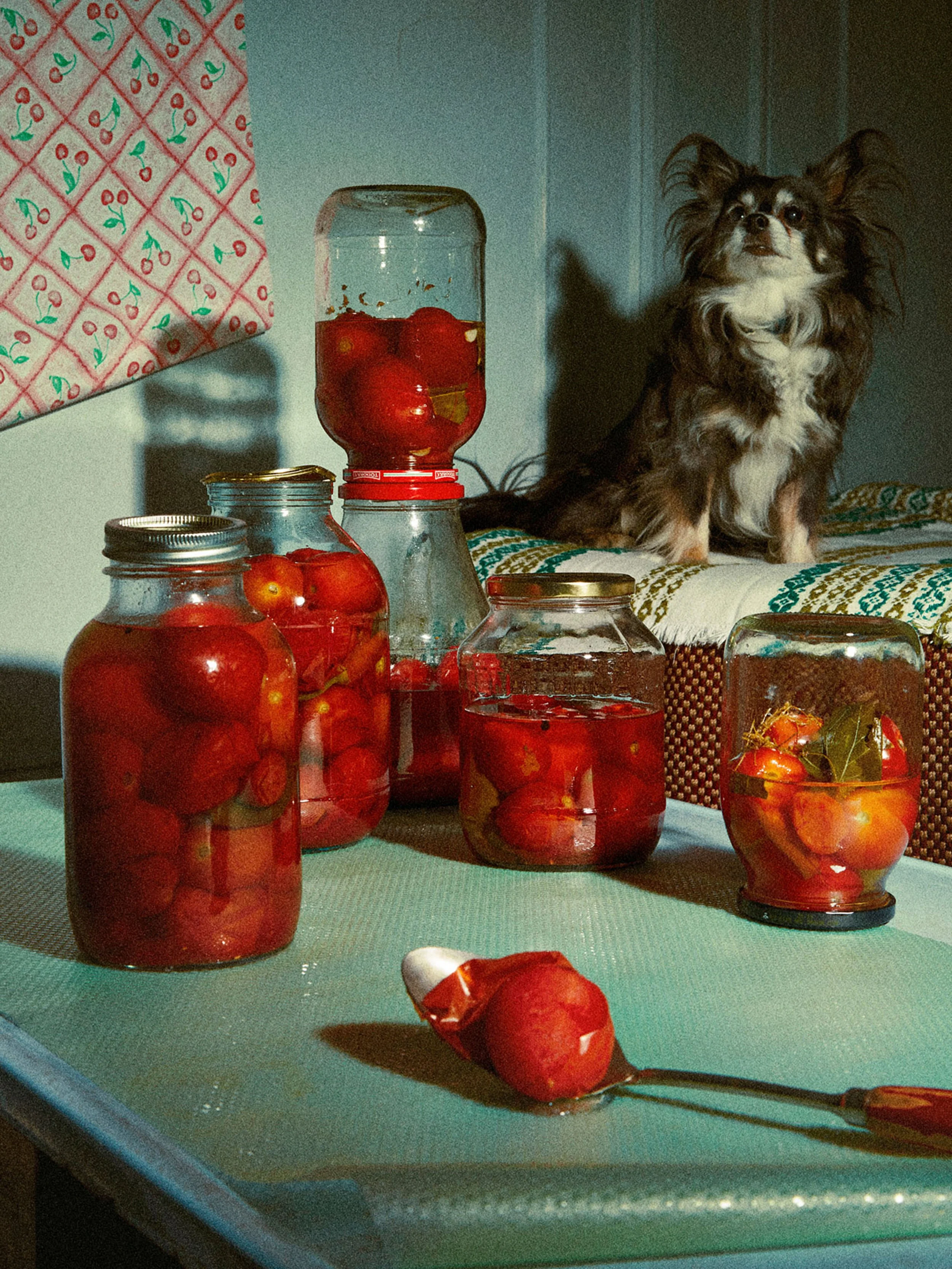
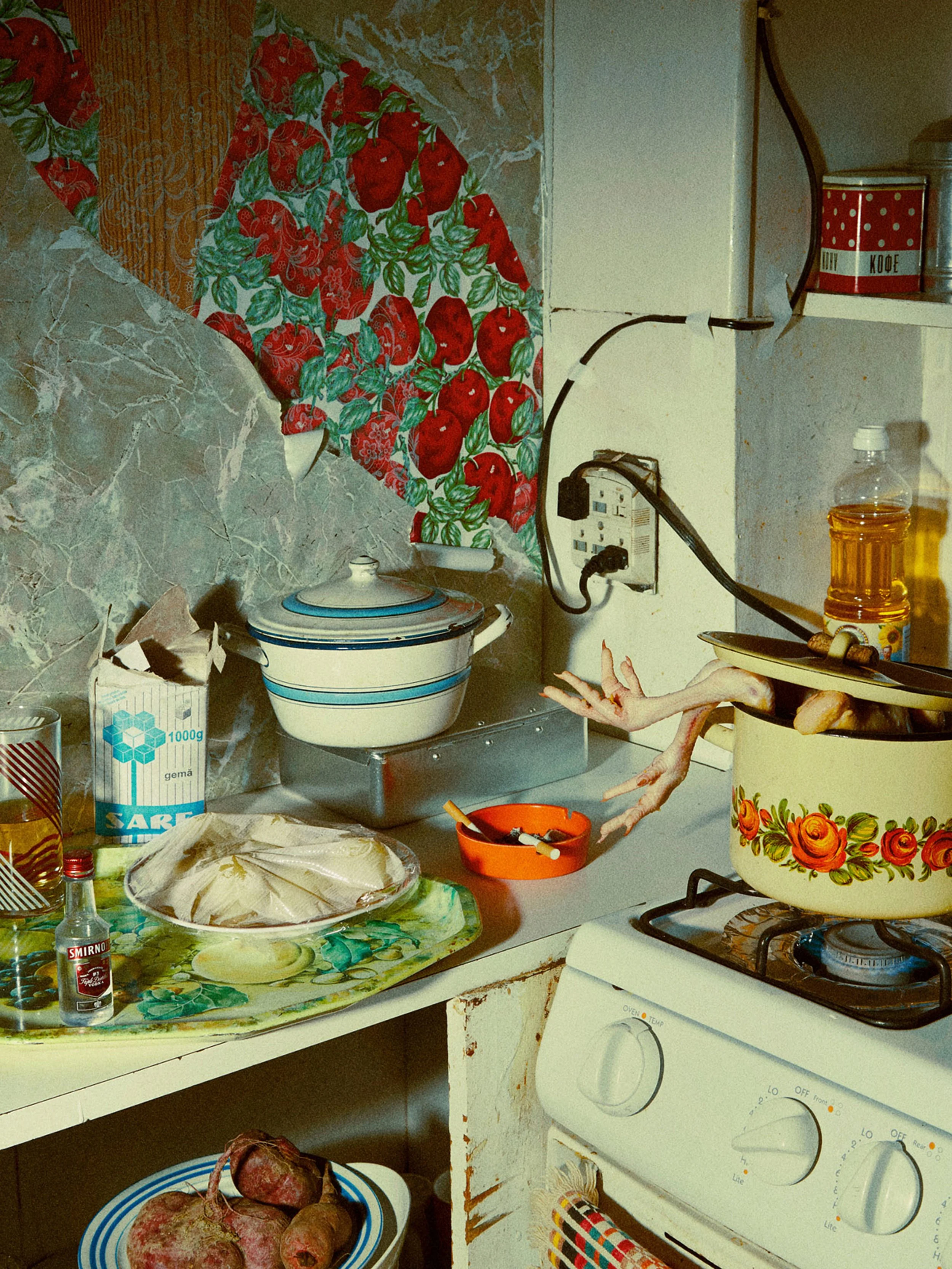
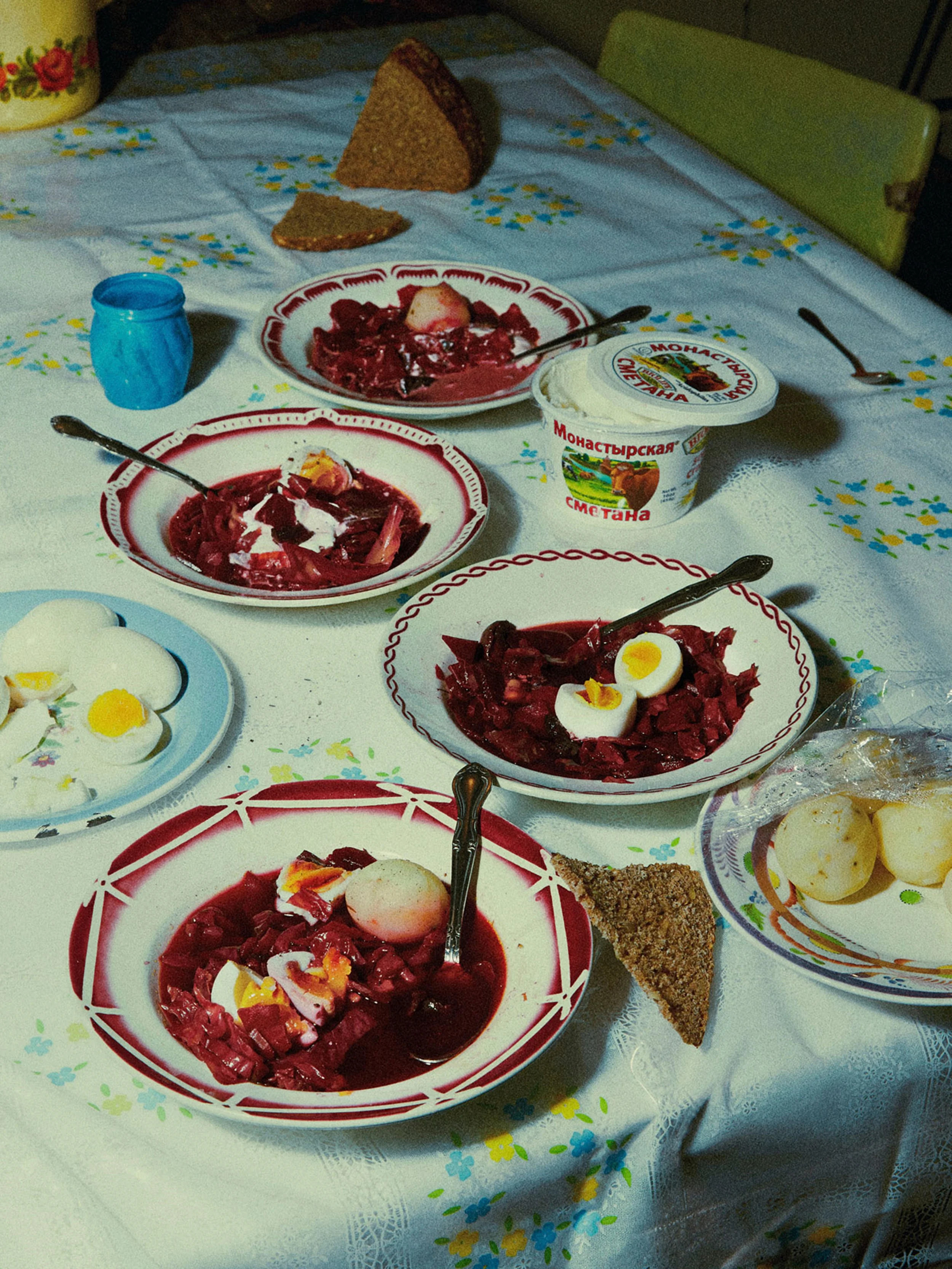
My mother’s recent 80th birthday became a significant catalyst, motivating me to preserve our family memories and traditions, whilst exploring the ways in which our story is enshrined in the cooking and sharing of food. My recent work explores personal grounding and my dual heritage. Through the intuitive, tactile acts of tearing, layering, and mark-making in analogue collage, I evoke the rituals of food, mapping a space for human connection. By gathering family stories centred around the foods that sustain us, this project explores how marginalised and immigrant communities cultivate a sense of belonging and ground themselves during increasingly uncertain times.
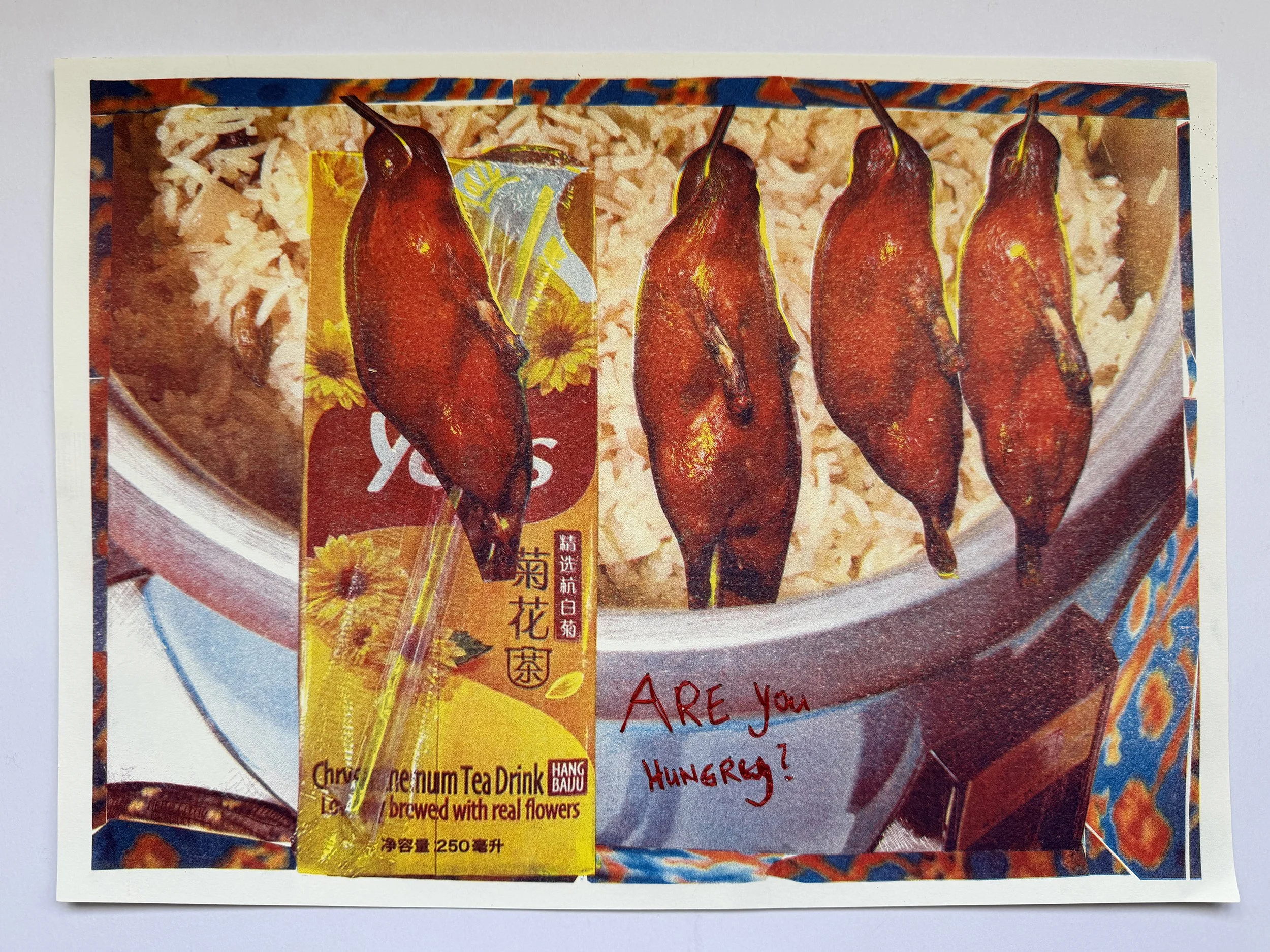
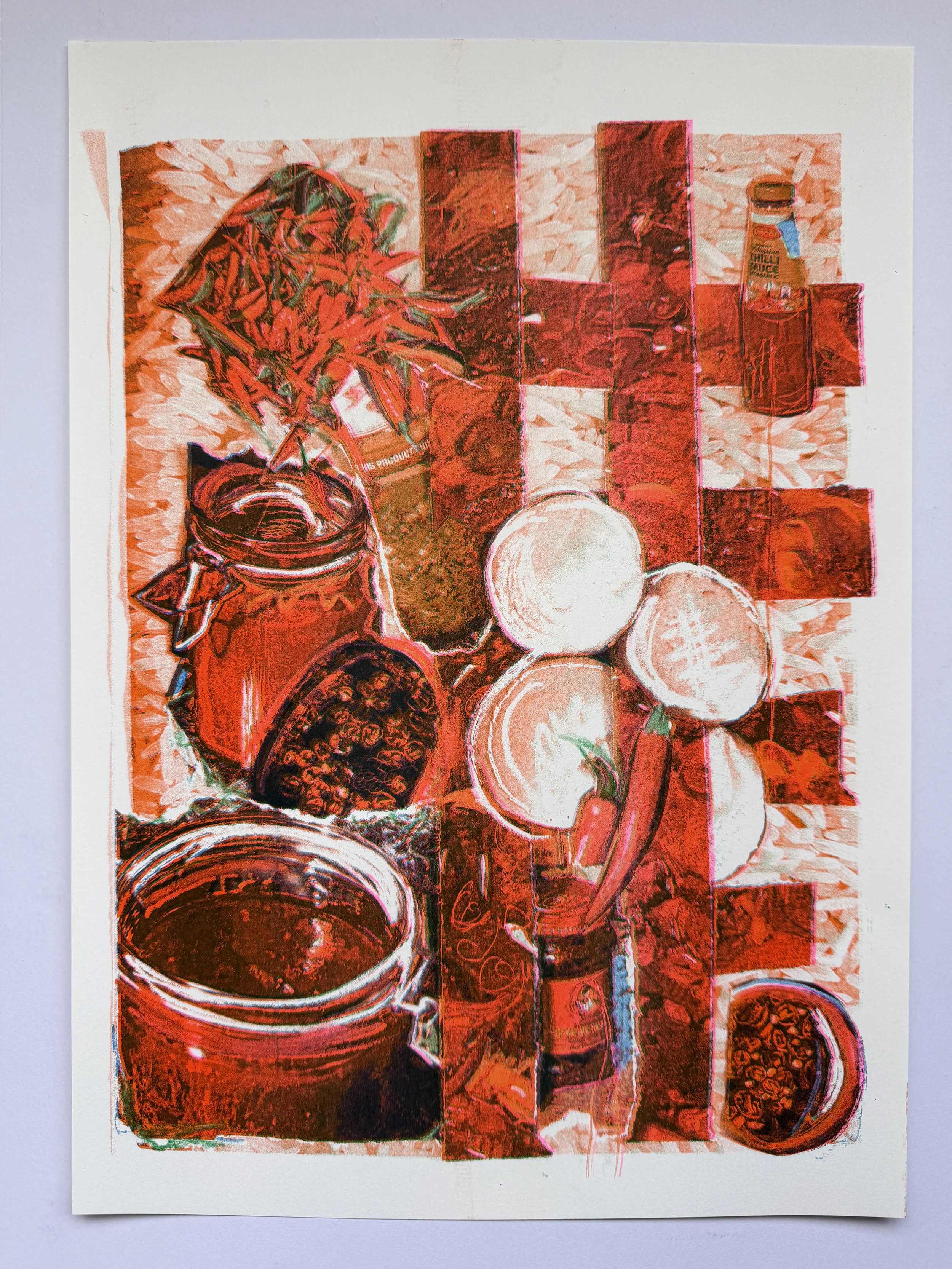
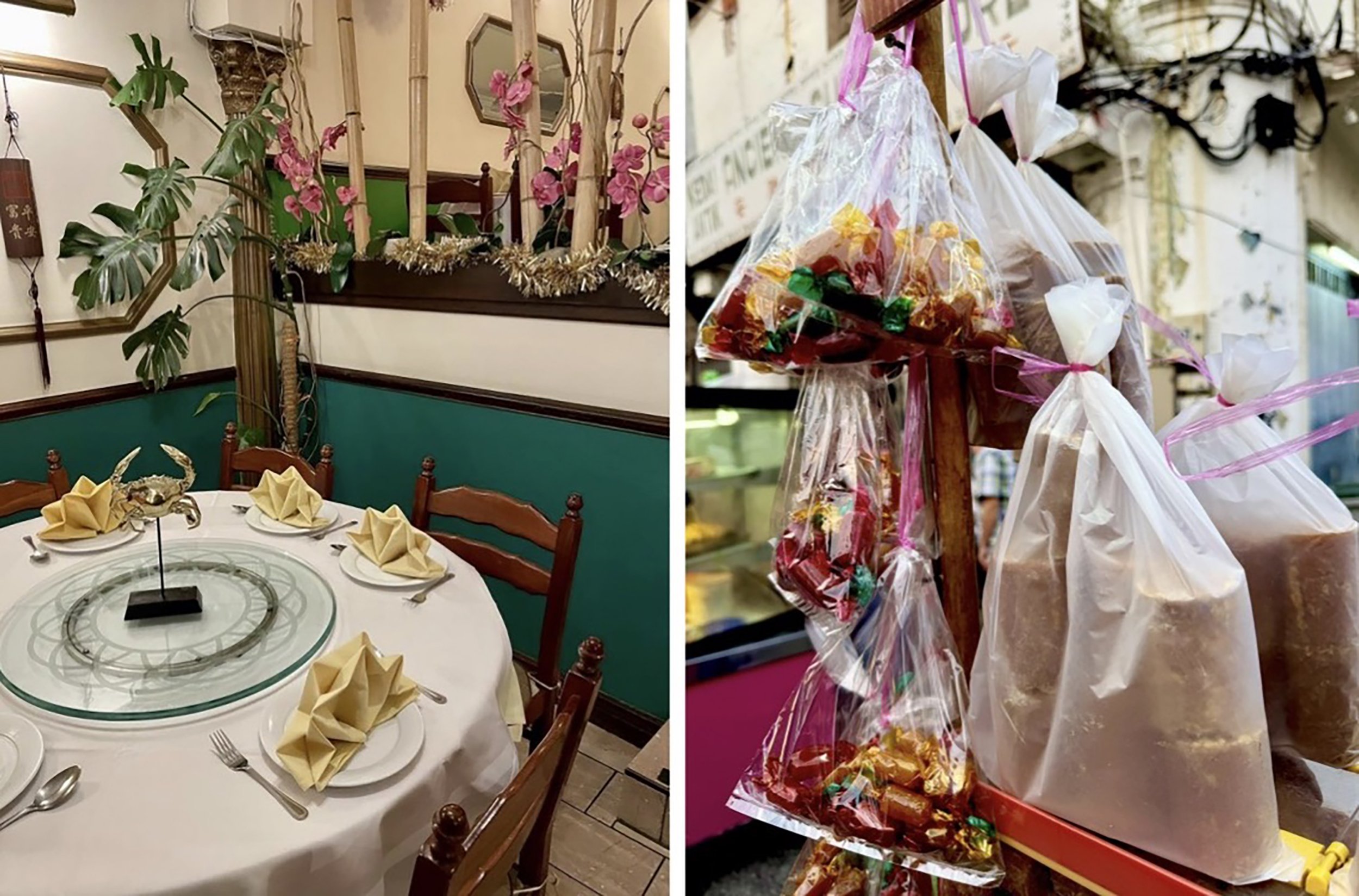
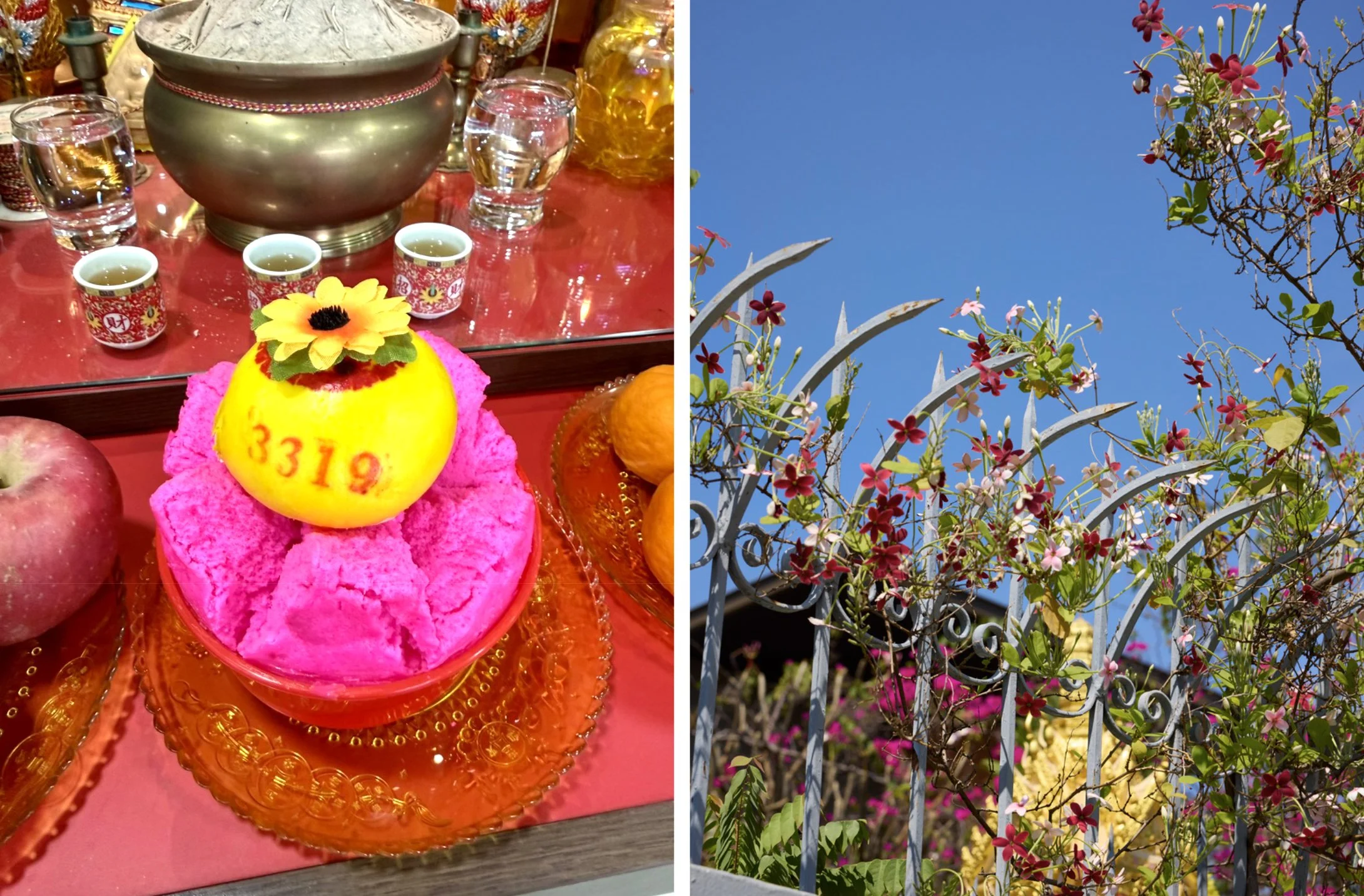
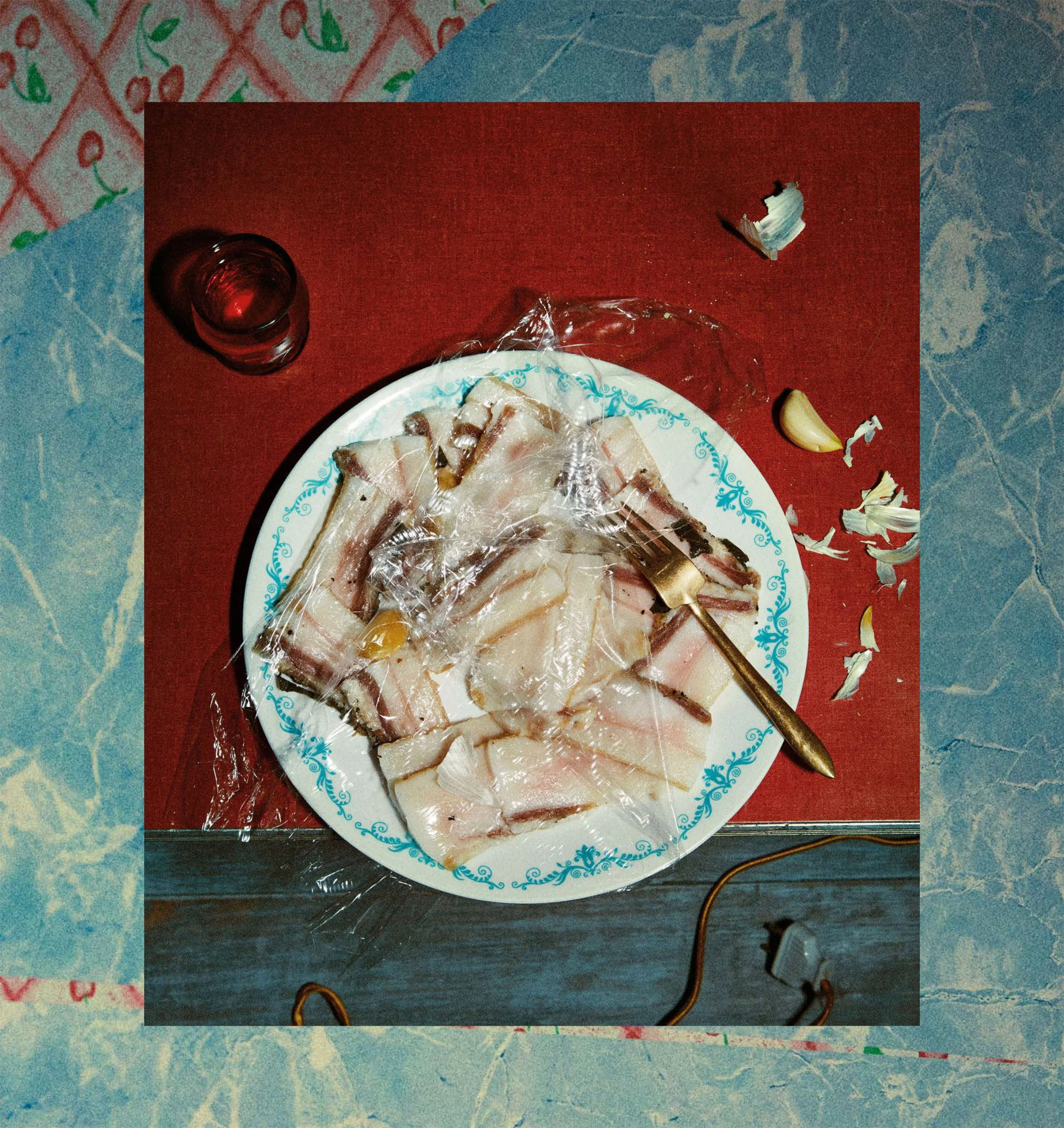
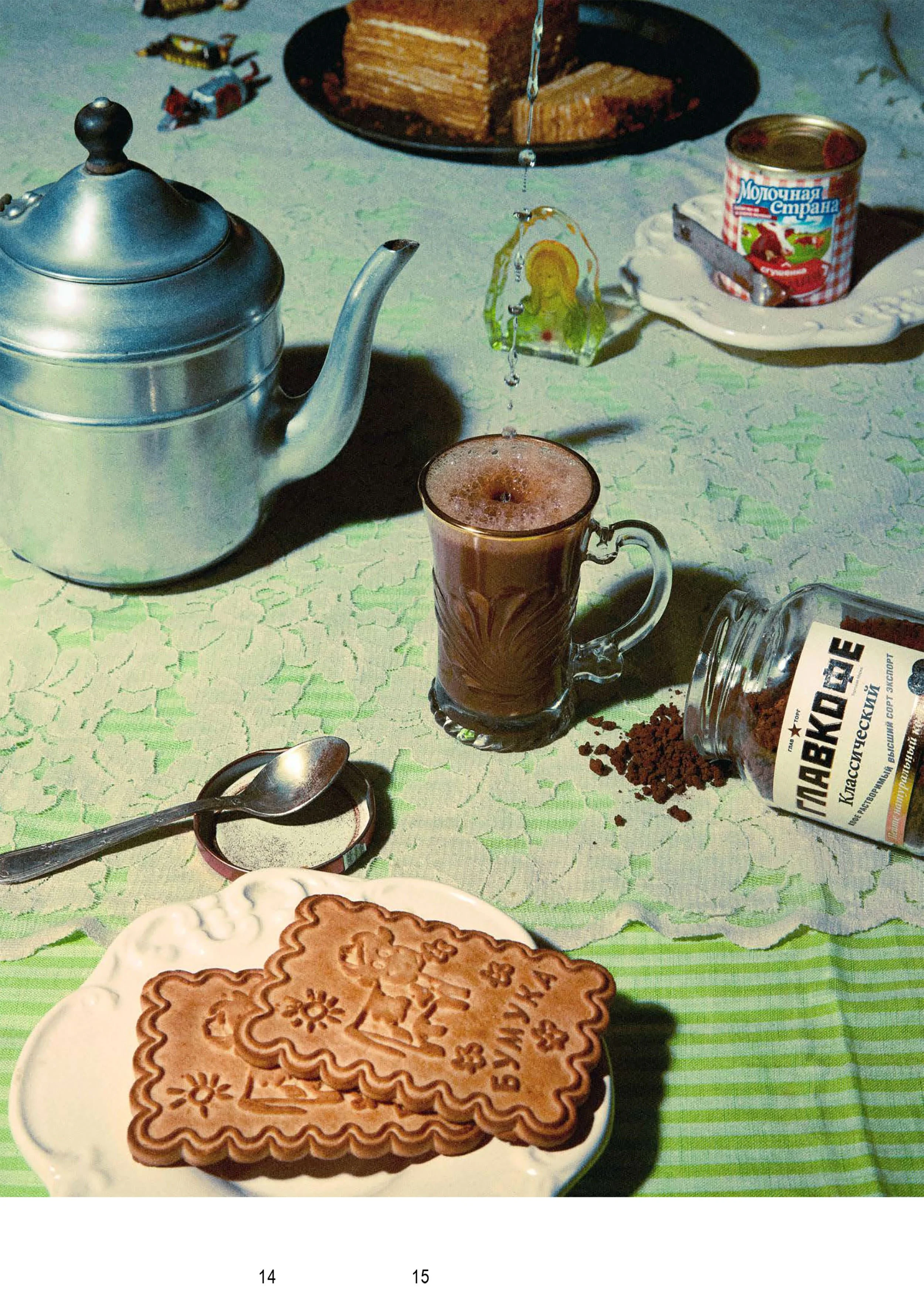
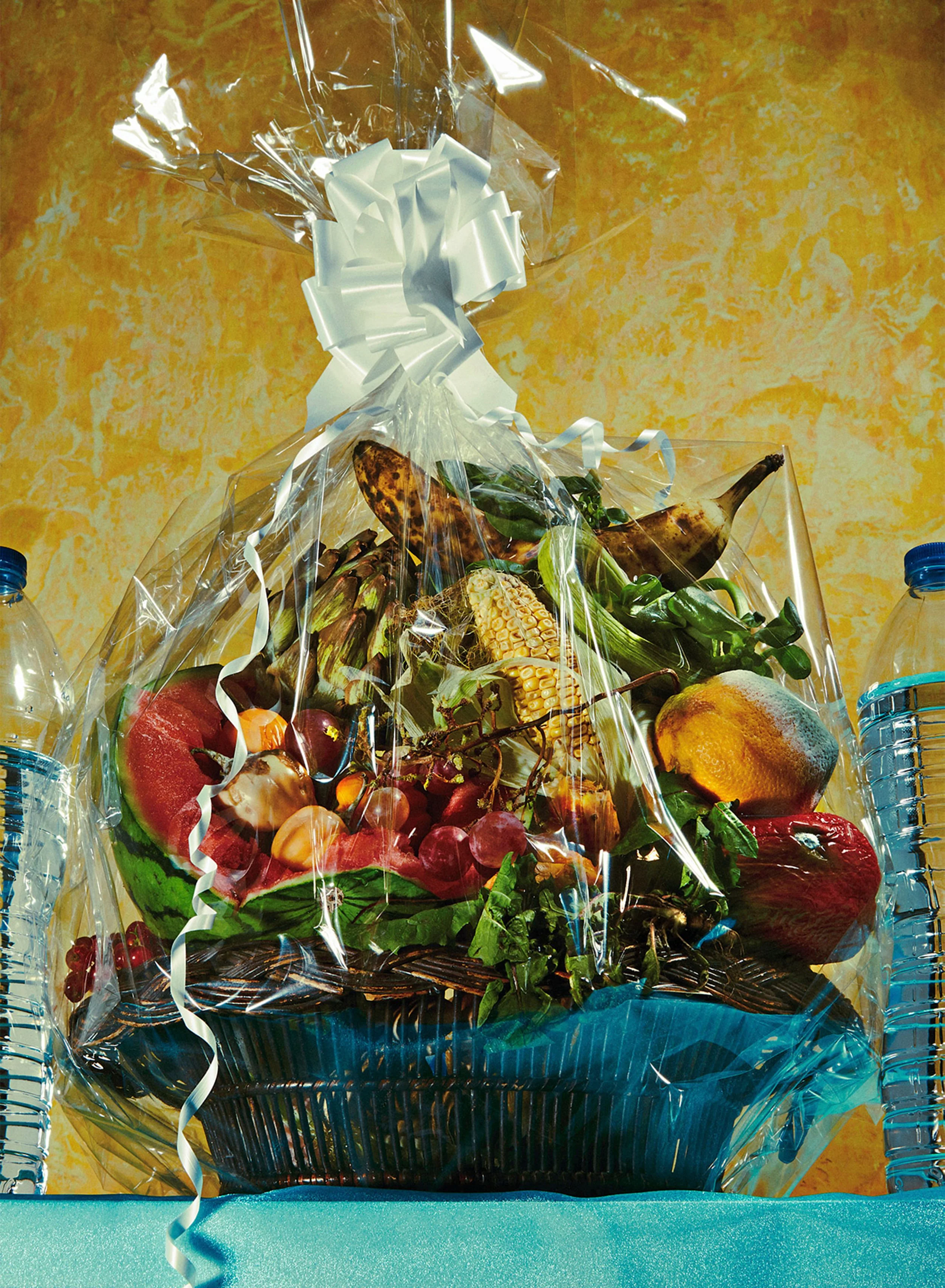
Just as rice forms the foundation of a meal, these collages build upon layered memories of home. I weave photography together with textures, floral motifs, and a recurring gingham print to trace an introspective journey. Gingham’s origins trace back to the Malay word genggang (meaning striped), a textile brought to England in the 17th century via colonial trade routes. By intentionally integrating this print alongside sensory symbols of cross-continental journeys —ingredients, tea, spices, and flowers—I map the historical echoes within our domestic spaces. This visual tapestry connects my mother’s migration by sea from Malaysia to England with the culinary anchors that continue to root us today.
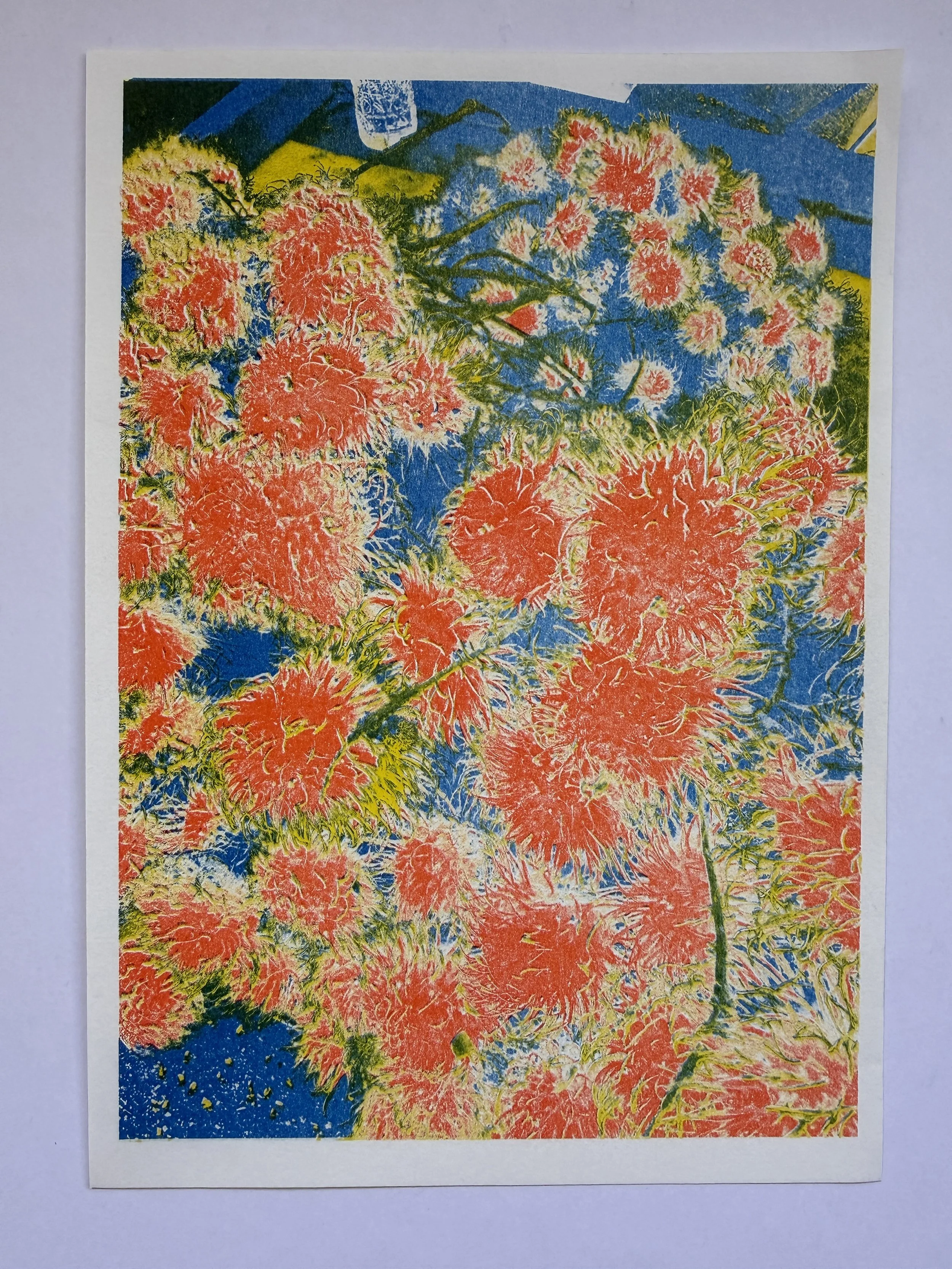
Risograph printing complements this analogue process, emphasising the rich palette of my photographs with vibrant rice bran oil inks. This medium inherently mirrors its subject: rice is the literal and symbolic glue of our culture, connecting us to family dinners and ancestral roots. It is pivotal to ceremony, ritual, and daily sustenance. Ultimately, translating these collages into physical prints—rather than digital files—ensures the work exists in the tangible world, preserving a tactile sense of home, permanence, and care.